

Japan has officially tightened its professional visa policies, and one of the biggest updates is the introduction of stricter Japanese language requirements for certain work visa categories. This new policy has created major discussions among international students, skilled workers, and professionals planning to work in Japan.
The biggest highlight of this update is the growing importance of the JLPT N2 work visa requirement for professional roles involving Japanese communication. As of April 15, 2026, applicants under the Engineer/Specialist in Humanities/International Services visa category may now need to prove Japanese language proficiency at approximately the JLPT N2 level or equivalent.
For many foreign workers, this is a significant change because Japanese language ability is now becoming a key factor for visa approval in communication-based professional jobs.
In this detailed guide, you will learn everything about the new JLPT N2 work visa rule, including eligibility, affected job sectors, exemptions, Japan work visa language requirements, and how this change impacts international job seekers.
What Is Japan’s New JLPT N2 Work Visa Rule?
Japan has introduced stricter language screening for specific professional visa applicants under the:
Engineer/Specialist in Humanities/International Services Visa
This visa category is widely used by:
- IT professionals
- Translators
- Engineers
- Marketing professionals
- Language specialists
- International business workers
- Office employees
- Customer support professionals
Under the updated policy, applicants working in positions that require Japanese communication may now need proof of language ability equivalent to the JLPT N2 work visa level.
If you’re planning your trip around holidays, learn everything about Golden Week in Japan in 2026 and how it impacts travel and business schedules.
The requirement mainly targets jobs involving:
- Customer interaction
- Office communication
- Business meetings
- Japanese reporting
- Team coordination in Japanese
This policy especially affects organizations classified under Category 3 and Category 4 companies.
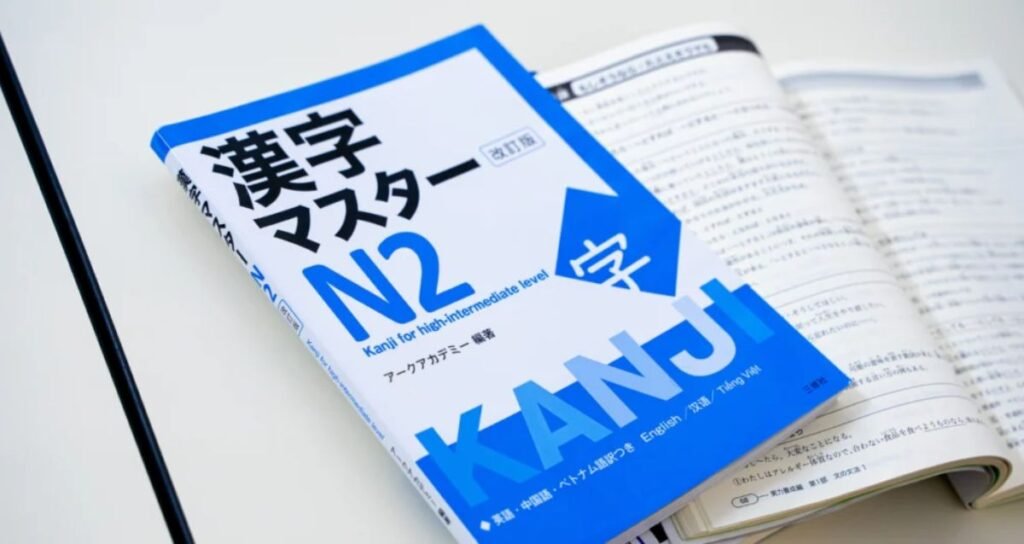
Key Highlights of the New JLPT N2 Work Visa Rule
Here are the most important updates regarding the JLPT N2 work visa requirement.
| Category | Details |
| Visa Type | Engineer/Specialist in Humanities/International Services |
| Language Level | JLPT N2 or equivalent |
| Equivalent Options | BJT 400+, CEFR B2 |
| Main Focus | Jobs involving Japanese communication |
| Effective Date | April 15, 2026 |
| Exemptions | Students graduating from Japanese schools |
| Alternative Proof | Japanese university or vocational school graduation |
The Japanese government introduced this policy to ensure that foreign professionals genuinely possess the communication skills required for skilled work environments.
What Is JLPT N2?
The JLPT N2 test is the second-highest level of the Japanese Language Proficiency Test.
It measures upper-intermediate to advanced Japanese ability.
A person passing the JLPT N2 exam can usually:
- Read newspapers
- Understand business Japanese
- Participate in workplace discussions
- Understand natural-speed conversations
- Read complex written materials
The N2 level requires strong Japanese knowledge, including:
| Skill Area | Approximate Requirement |
| Vocabulary | Around 6,000 words |
| Kanji | 1,000+ Kanji |
| Grammar | Advanced grammar patterns |
| Listening | Business-level understanding |
| Reading | Intermediate to advanced texts |
Because of this, the JLPT N2 work visa requirement is considered a major hurdle for many applicants outside Japan.
Why Japan Introduced This New Language Requirement
Japan’s Ministry of Justice introduced the updated Japan work visa language requirements to reduce misuse of professional visas.
According to authorities, some individuals were entering Japan under professional visa categories while working in jobs unrelated to their qualifications.
The new rule ensures that applicants entering through skilled visa categories can actually operate in professional Japanese-speaking environments.
The policy also helps companies hire workers who can:
- Communicate effectively
- Understand workplace instructions
- Participate in meetings
- Handle Japanese clients professionally
This is one of the biggest changes in recent Japan new visa language requirements.
Students preparing for language certification should check the updated NAT exam dates in Japan 2026 to plan their preparation effectively.
Is JLPT N2 Mandatory for Japan Work Visa?
One of the most common questions is whether JLPT N2 mandatory for all Japan work visas.
The answer is no.
The JLPT N2 work visa requirement mainly applies to jobs involving Japanese communication.
Jobs Most Likely Affected by the New Rule
The updated rule impacts positions where Japanese communication is essential.
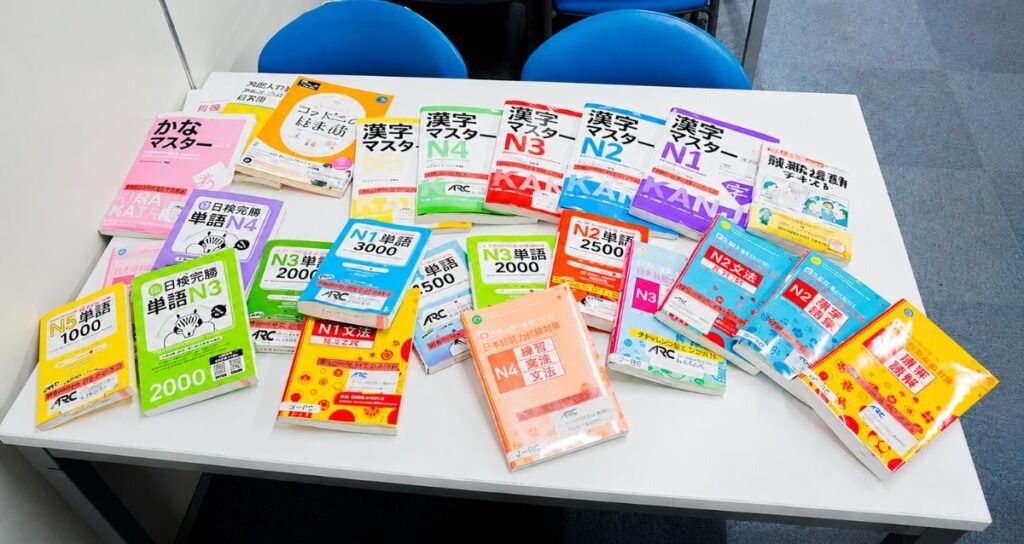
Jobs Likely Requiring JLPT N2
| Job Type | Language Importance |
| Office Administration | High |
| HR & Recruitment | High |
| Translation & Interpretation | High |
| Customer Support | High |
| Marketing & Sales | High |
| Hospitality Coordination | High |
| Business Consulting | High |
These roles require direct communication with Japanese clients, coworkers, or management.
Jobs Less Likely to Require JLPT N2
Some jobs may not strictly require the JLPT N2 work visa level if daily Japanese communication is minimal.
Examples
- English-only software development
- International research positions
- Foreign-focused business roles
- Certain multinational company jobs
However, employers may still prefer applicants with N2-level skills.
For those targeting proficiency tests, here are the official JLPT exam dates in Japan 2026 you shouldn’t miss.
Alternative Proof of Japanese Ability
The Japanese government also allows alternative methods to prove language proficiency.
Accepted Alternatives
| Alternative Qualification | Accepted Level |
| BJT Business Japanese Test | 400+ Score |
| CEFR | B2 Equivalent |
| Japanese University Graduation | Accepted |
| Japanese Vocational School Graduation | Accepted |
This flexibility benefits applicants who may not have officially taken the JLPT N2 test but still possess strong Japanese ability.
Exemptions from the JLPT N2 Work Visa Rule
Some applicants are exempt from the stricter language requirements.
Major Exemptions Include
International Students in Japan
Students graduating directly from:
- Japanese universities
- Vocational schools
- Japanese educational institutions
may not need separate JLPT proof.
The government assumes these students have already developed sufficient Japanese ability during their education.
This gives international graduates inside Japan a major advantage under the new Japan work visa requirements.
Impact on International Job Seekers
The new JLPT visa requirement significantly changes the job market for foreign workers.
Increased Difficulty for Overseas Applicants
Applicants applying directly from outside Japan now face an additional challenge.
They may need to:
- Pass JLPT N2
- Prove Japanese communication ability
- Improve workplace-level Japanese skills
For beginners, reaching N2 level usually requires years of study.
Better Opportunities for Skilled Japanese Speakers
On the positive side, professionals with strong Japanese skills now gain a huge competitive advantage.
Companies may prioritize applicants who already meet the N2 requirements because they can integrate more easily into Japanese workplaces.
Before applying to study abroad, make sure you understand the complete Japan student visa requirements to avoid delays.
Greater Demand for Japanese Language Education
The updated Japan work visa language requirements are also increasing demand for:
- JLPT preparation courses
- Business Japanese training
- Japanese conversation classes
- Corporate Japanese learning programs
Students preparing for Japan careers are now focusing much earlier on achieving JLPT N2 proficiency.
How Difficult Is the JLPT N2 Test?
The JLPT N2 test is considered challenging because it requires practical fluency rather than memorization alone.
Skills Needed to Pass N2
Advanced Vocabulary
Learners need approximately 6,000 words.
Kanji Knowledge
The exam includes more than 1,000 Kanji characters.
Listening Ability
Students must understand:
- Fast conversations
- Workplace discussions
- Announcements
- Real-world Japanese speech
Reading Comprehension
N2 includes:
- News articles
- Essays
- Formal writing
- Business-related passages
Best Ways to Prepare for JLPT N2
Students aiming for a JLPT N2 work visa should begin structured preparation early.
Scholarship seekers can explore the detailed MEXT scholarship eligibility criteria to check if they qualify.
Study Japanese Daily
Consistency is extremely important.
Daily study should include:
- Reading
- Listening
- Grammar review
- Vocabulary practice
Focus on Business Japanese
Because the new visa rule focuses heavily on workplace communication, learners should practice:
- Formal Japanese
- Workplace expressions
- Email writing
- Business conversations
Improve Listening Skills
Listening is one of the hardest parts of the JLPT N2 test.
Useful practice methods include:
- Japanese podcasts
- Business interviews
- News programs
- Shadowing exercises
Practice Reading Native Material
Reading newspapers and Japanese articles helps learners become comfortable with advanced vocabulary and sentence structures.
You can also apply for government-funded programs through this guide on Japanese government scholarship 2026 for Japanese studies for better career opportunities.
Benefits of Achieving JLPT N2
Passing the JLPT N2 work visa level offers major career advantages.
Professional Benefits
| Advantage | Benefit |
| Better Job Opportunities | Access to professional Japanese companies |
| Higher Salary Potential | More advanced positions |
| Easier Workplace Communication | Better integration |
| Stronger Visa Eligibility | Improved application profile |
| Career Growth | Long-term opportunities in Japan |
For many industries, N2 is now considered the minimum professional standard.
Japan Work Visa Requirements in 2026
The updated Japan work visa requirements now focus more heavily on communication skills alongside education and professional experience.
Basic Requirements Include
- Valid passport
- Educational qualifications
- Employment offer
- Visa sponsorship
- Relevant work experience
- Japanese language ability (for communication roles)
The addition of stronger language screening marks a major shift in Japan’s immigration and employment policies.
Future of Japan’s Visa Policies
Experts believe Japan may continue increasing language expectations in the future.
Reasons include:
- Workplace integration
- Labor quality control
- Professional communication standards
- Immigration policy tightening
This means students planning long-term careers in Japan should strongly consider aiming for JLPT N2 or higher.
If you’re selecting institutions, here’s a curated list of the best universities in Japan for Indian students to help you decide.
JLPT N2 Work Visa FAQs
1. What is the JLPT N2 work visa requirement in Japan?
The JLPT N2 work visa requirement refers to Japan’s updated language expectations for certain professional visa applicants. Under the new rule, candidates applying for communication-based jobs may need Japanese proficiency equivalent to JLPT N2 or CEFR B2. This mainly affects Engineer/Specialist in Humanities/International Services visa categories. The requirement helps ensure foreign professionals can communicate effectively in Japanese workplaces.
2. Is JLPT N2 mandatory for all Japan work visas?
No, JLPT N2 mandatory rules do not apply to every work visa category. The requirement mainly targets jobs involving regular Japanese communication such as office work, customer interaction, and business coordination. English-only or highly international roles may not strictly require N2. However, many employers still prefer candidates with strong Japanese ability.
3. What is included in the JLPT N2 test?
The JLPT N2 test includes vocabulary, grammar, Kanji, reading comprehension, and listening sections. Candidates are expected to understand newspapers, workplace conversations, and intermediate-to-advanced Japanese expressions. The exam requires knowledge of around 1,000+ Kanji and approximately 6,000 vocabulary words. It is considered a professional-level Japanese certification.
4. Which jobs are affected by the JLPT N2 work visa rule?
The JLPT N2 work visa rule mainly affects jobs involving direct communication in Japanese. These include office administration, translation, customer support, HR, sales, and marketing positions. Roles requiring interaction with Japanese clients or coworkers are more likely to require N2-level proficiency. Technical roles with minimal Japanese communication may have more flexibility.
Don’t forget to prepare all paperwork—this guide on Japan student visa documents required covers everything you need.
5. What are the Japan work visa language requirements in 2026?
The updated Japan work visa language requirements focus on proving practical Japanese communication ability for professional roles. Applicants may need JLPT N2, CEFR B2, BJT 400+, or graduation from a Japanese educational institution. The requirement mainly applies to jobs requiring workplace-level Japanese communication. Employers and immigration authorities now pay closer attention to language ability.
6. Are international students in Japan exempt from the JLPT N2 work visa rule?
In many cases, yes. International students graduating from Japanese universities or vocational schools may receive exemptions from separate language proof requirements. The Japanese government often assumes these students already possess sufficient communication ability through their education. This gives students already studying in Japan a strong advantage under the new policy.
7. What are the N2 requirements for passing the JLPT exam?
The N2 requirements include advanced grammar understanding, reading comprehension, listening skills, and business-level vocabulary knowledge. Students usually need around 6,000 Japanese words and over 1,000 Kanji characters. The exam also tests the ability to understand natural-speed Japanese conversations. Consistent study and regular immersion are important for success.
8. Can I use alternatives instead of JLPT N2 for visa approval?
Yes, Japan may accept alternative proof of language proficiency for the JLPT visa requirement. Accepted alternatives can include BJT Business Japanese Test scores, CEFR B2-level proof, or graduation from a Japanese university or vocational school. These alternatives help applicants demonstrate practical Japanese communication skills. Requirements may vary depending on the employer and visa category.
Professionals looking to work abroad can follow this step-by-step process for Japan work visa online apply to get started.
9. Why did Japan introduce new visa language requirements?
The new Japan new visa language requirements were introduced to ensure that foreign workers entering professional visa categories can genuinely function in skilled Japanese work environments. Authorities want to reduce misuse of professional visas for unrelated labor work. The policy also helps companies hire candidates who can communicate smoothly with teams and clients in Japanese.
10. How can I prepare for the JLPT N2 work visa requirement?
To prepare for the JLPT N2 work visa, students should focus on daily Japanese practice, business vocabulary, listening exercises, and advanced grammar study. Reading Japanese news, watching native content, and practicing workplace conversations are highly effective. Structured JLPT preparation courses can also help learners improve faster. Consistency and real-world exposure are the keys to reaching N2 level.
Final Thoughts
Japan’s updated JLPT N2 work visa rule is one of the most important changes affecting international professionals in 2026. While the requirement does not apply to every job, it significantly impacts communication-based professional roles under the Engineer/Specialist in Humanities/International Services visa category.
The new policy makes Japanese language ability more valuable than ever before. Applicants with strong communication skills, business Japanese knowledge, and JLPT N2 certification will have a much stronger advantage in the Japanese job market.
Although the JLPT N2 mandatory discussion may sound intimidating for some learners, this change also creates better opportunities for serious candidates who invest in language learning and professional development.
For anyone planning to build a long-term career in Japan, achieving the JLPT N2 work visa level is quickly becoming one of the smartest and most important career investments.
If you’re appearing from India, check the complete list of JLPT exam centres in India to choose your nearest location.
Start Your Japanese Career Journey with The Japanese Language School
Planning to prepare for the JLPT N2 work visa requirement and build a successful career in Japan? Join TLS – The Japanese Language School for expert Japanese language training, JLPT preparation, business Japanese learning, and professional guidance for Japan work opportunities.
| Contact Details | Information |
| Visit Us | 2/81-82, 2nd Floor, Lalita Park, Gali No – 2, Laxmi Nagar, New Delhi – 110092 |
| Call Us | +91 8700956038 |
| Email Us | tls@teamlanguages.com |
| Official Website | TLS – The Japanese Language School |
Whether you are preparing for the JLPT N2 test, exploring Japan work visa opportunities, or improving your Japanese communication skills, TLS – The Japanese Language School helps students achieve their goals with structured courses and expert support.

 At My Japan Advisor, whether you’re planning a trip, preparing for the JLPT, exploring Japanese culture, or navigating visa processes, we provide expert insights, practical guides, and up-to-date information to make your journey smooth and enjoyable.