

January is one of Tokyo’s most underrated yet rewarding months. While many travelers associate Japan with cherry blossoms or autumn leaves, winter especially January reveals a calmer, more cultural, and surprisingly vibrant side of the capital.
If you’re searching for the Best Things to Do and See in Tokyo in January, you’ll find everything from traditional New Year rituals and rare seasonal festivals to shopping bargains, sumo tournaments, and peaceful shrine visits all without the overwhelming crowds of peak travel seasons.
This guide explores exactly what makes January special in Tokyo, the weather, the top events and attractions, insider travel tips, and answers to the most common questions travelers have before visiting.
Is January a Good Time to Visit Tokyo?
Yes January is an excellent time to visit Tokyo if you enjoy cultural experiences, seasonal events, fewer crowds, and better travel deals.
Why January stands out:
- Fewer international tourists than spring or autumn
- Unique New Year traditions only seen in early January
- Excellent shopping during winter sales
- Clear skies and crisp air for sightseeing and photography
- A calmer, more local atmosphere across the city
Tokyo in January feels more authentic, peaceful, and personal perfect for travelers who want a deeper cultural experience.
For more Learn About Japan and Study Contact-: https://www.teamlanguages.com/
What Is the Weather Like in Tokyo in January?
Tokyo experiences its coldest weather in January, but it’s dry, sunny, and manageable.
Average temperatures (based on recent data):
- High: 11.6°C (52.8°F)
- Low: 2.6°C (36.7°F)
- Average: 6.6°C (43.9°F)
Rainfall is low (about 26mm), and snowfall is rare. You can expect around 6 hours of daylight, with bright, clear winter skies ideal for walking and photography.
Tip: Dress in layers thermal innerwear, a warm jacket, scarf, gloves, and comfortable walking shoes are essential.
If you are visiting during peak winter, this Japan in January Travel Guide 2026 will help you plan sightseeing, festivals, and weather-friendly activities.
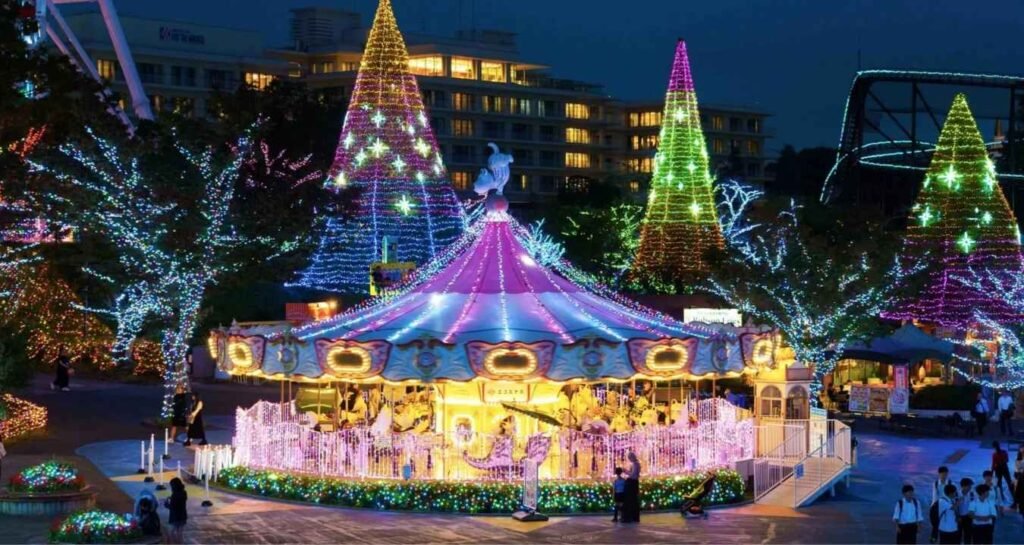
Best Things to Do and See in Tokyo in January
Now that you know what January is like in Tokyo, let’s explore the best things to do and see during this winter month.
1. Experience Hatsumode (New Year Shrine Visit)
Hatsumode is one of the most important Japanese traditions. It’s the first visit of the year to a shrine or temple to pray for good health, happiness, and success.
Top Hatsumode spots:
- Meiji Shrine (Meiji Jingu) — Tokyo’s most famous shrine
- Sensoji Temple (Asakusa) — historic and atmospheric
Locals line up to draw fortunes (omikuji), buy lucky charms, and enjoy festive food stalls.
2. Visit the Imperial Palace on January 2
Shinnen Ippan Sanga is a rare public event where visitors can enter the inner grounds of the Imperial Palace and see the Imperial Family greet the public.
It’s one of the few days a year when the palace opens to everyone a deeply meaningful and uniquely Japanese experience.
3. Enjoy Tokyo’s Famous January Sales
From January 2 onward, Tokyo enters its biggest sale season.
- Department stores slash prices
- Fashion brands offer their biggest discounts
- Fukubukuro (lucky bags) are sold — mystery bags with items worth more than their price
Popular shopping areas:
- Shibuya
- Shinjuku
- Ginza
- Harajuku
Students planning to learn the language before moving to Japan can explore Japanese Language Courses in Delhi to build strong communication skills.
4. Visit the Ueno Toshogu Peony Garden
The Fuyu Botan Festival is a rare winter peony display in Ueno Park.
Snow-covered peonies under straw hats create a magical winter garden scene a perfect blend of nature, seasonality, and tradition.
5. Buy a Lucky Daruma Doll
Daruma dolls symbolize perseverance and success.
January is the best time to buy one at local markets like:
- Hamura Daruma Market
- Hino Daruma Fair
- Ome Daruma Market
Visitors color in one eye while making a wish and the second eye once the goal is achieved.
6. Watch Tondo-yaki Fire Ritual
Held at Torikoe Shrine, Tondo-yaki involves burning old New Year decorations to cleanse bad luck and welcome good fortune.
Eating mochi roasted on the fire is believed to protect against illness.
For those interested in working in Japan, this guide on SSW Visa Age Limit and Salary in Japan for Indian Workers explains eligibility, income, and job sectors.
7. Explore Setagaya Boro-ichi Flea Market
This 400-year-old flea market is held January 15–16.
You’ll find:
- Antiques
- Vintage clothing
- Local street food
- Handmade crafts
It’s a fantastic place to experience Tokyo’s historical market culture.
8. Watch the New Year Grand Sumo Tournament
Held at Ryogoku Kokugikan, January’s Hatsu Basho is one of the most exciting sporting events in Japan.
Even first-time visitors find sumo fascinating — combining ritual, sport, and ceremony.
9. Relax in Cafés, Museums, and Indoor Attractions
Cold days are perfect for:
- TeamLab digital art museums
- Ghibli Museum
- Tokyo National Museum
- Traditional tea houses
- Themed cafés (anime, animals, or seasonal
10. Take Winter Day Trips
From Tokyo you can easily visit:
- Hakone (onsen and Mount Fuji views)
- Kawaguchiko (snowy Fuji photography)
- Nikko (UNESCO temples in winter beauty)
To understand seasonal attractions like snow festivals and hot springs, read this detailed article on Winter in Japan before finalizing your travel dates.
Travel Tips for Tokyo in January
A little preparation goes a long way when visiting Tokyo in winter. These simple tips will help you stay comfortable, flexible, and make the most of your trip:
- Dress in warm, breathable layers: Pack thermal innerwear, sweaters, and a winter jacket along with waterproof shoes to stay warm and dry while walking around the city.
- Protect your skin from the dry air: Tokyo’s winter air is dry bring lip balm and moisturizer to avoid chapped lips and skin.
- Carry pocket heat packs (kairo): These inexpensive warmers are sold everywhere in Japan and are perfect for keeping your hands and pockets warm while sightseeing.
- Balance outdoor and indoor plans: Mix temple visits and walking tours with museums, cafés, shopping malls, and galleries on colder days for a relaxed pace.
- Book sumo tickets in advance: The January Grand Sumo Tournament is extremely popular, so reserve seats early to avoid missing out.
- Plan around New Year closures: Many shops and attractions close on January 1, so use that day for shrine visits, walking around parks, or relaxing experiences instead.
With these tips, your winter trip to Tokyo will feel cozy, smooth, and full of memorable moments.
If you want to experience traditional celebrations, learn about customs and rituals in Japanese New Year which is one of the most important festivals in Japan.
FAQs — Best Things to Do and See in Tokyo in January
Is January a good time to visit Tokyo?
Yes. January is calm, culturally rich, and more affordable than peak seasons. You’ll enjoy fewer crowds, winter festivals, New Year traditions, and better hotel and flight deals.
Is Tokyo very cold in January?
It’s chilly but manageable. Daytime temperatures are cool, the air is dry, and sunshine is common, making it comfortable with proper winter clothing.
Does it snow in Tokyo in January?
Snow is rare. Tokyo may get light snowfall once or twice, but it usually melts quickly and doesn’t disrupt daily life or travel plans.
Are tourist attractions open in January?
Yes. Most attractions reopen by January 2 or 3 after New Year holidays and operate normally throughout the month.
First-time travelers can follow this step-by-step guide to Plan a Japan Trip from India including flights, visa, and budgeting tips.
Is January a good time for shopping in Tokyo?
Absolutely. January has Tokyo’s biggest annual sales, including department store discounts and the famous fukubukuro (lucky bags).
Can I see Mount Fuji in January?
Yes. Winter offers the clearest skies of the year, making January one of the best times to see and photograph Mount Fuji from Tokyo or nearby viewpoints.
Is public transport affected by winter weather?
No. Tokyo’s transport system is extremely reliable and continues running efficiently even during cold or rainy weather
What should I pack for Tokyo in January?
Thermal layers, a warm coat, waterproof walking shoes, gloves, scarf, lip balm, moisturizer, and heat packs (kairo).
Is January suitable for first-time visitors to Tokyo?
Yes. January is great for first-time visitors who prefer relaxed sightseeing, fewer crowds, and easier access to popular attractions.
Are restaurants and shops open in early January?
Many close on January 1, but most reopen by January 2 or 3. From mid-January onward, everything operates as usual.
Is January good for cultural experiences?
Yes. January offers unique cultural events like Hatsumode, the Imperial Palace public visit, sumo tournaments, and traditional winter festivals.
Is Tokyo crowded in January?
Outside of New Year’s week and major festivals, Tokyo is noticeably less crowded than in spring or autumn.
Is January good for photography in Tokyo?
Yes. Clear skies, winter light, snow-capped Mount Fuji, and illuminated festivals make January excellent for photography.
Can I do day trips from Tokyo in January?
Yes. Popular winter day trips include Hakone, Kawaguchiko (Mount Fuji), Nikko, and onsen towns nearby.
Is it safe to travel in Tokyo in winter?
Yes. Tokyo is one of the safest cities in the world, and winter travel is well-managed and comfortable.
How many days should I spend in Tokyo in January?
A stay of 4–6 days is ideal to explore the city comfortably and take one or two nearby day trips.
Travelers visiting in December can explore festive events and decorations in How Japan Celebrates Christmas across major cities.
Final Thoughts
Tokyo in January is elegant, calm, and culturally immersive. From shrine rituals and sumo tournaments to winter gardens and shopping bargains, the city offers unforgettable seasonal experiences.
If you want to explore Japan beyond the tourist crowds and experience authentic traditions, January is one of the best times to discover Tokyo and this guide to the Best Things to Do and See in Tokyo in January will help you make the most of every moment.

 At My Japan Advisor, whether you’re planning a trip, preparing for the JLPT, exploring Japanese culture, or navigating visa processes, we provide expert insights, practical guides, and up-to-date information to make your journey smooth and enjoyable.