

The Japanese New Year, known as Oshōgatsu (お正月), is the most important cultural and family festival in Japan. Unlike many countries that treat New Year as a single night of celebration, Japan observes it as a deeply meaningful season focused on renewal, gratitude, reflection, and good fortune.
Every year from January 1 to January 3, Japanese families return to their hometowns, visit shrines, prepare symbolic foods, and follow customs that have been passed down for centuries. The Japanese New Year is not just a holiday it is a spiritual and cultural reset for the entire nation.
In this guide, you’ll learn:
- What Japanese New Year is called and what it means
- Why Oshōgatsu is important in Japanese culture
- How Japanese people celebrate New Year
- Traditional foods eaten during Japanese New Year
- Greetings and phrases used at New Year
- Travel tips and what’s open in Japan during the holidays
Let’s explore the beautiful traditions behind Japan’s most meaningful celebration.
What Is Japanese New Year Called?
The Japanese New Year is called お正月 (Oshōgatsu) — a word that carries both linguistic and cultural meaning.
The term is made up of two parts:
- お (o) — an honorific prefix used to show respect and politeness
- 正月 (shōgatsu) — meaning “first month” or “New Year”
Together, Oshōgatsu can be understood as “the honorable beginning of the year,” reflecting how deeply respected and meaningful this period is in Japanese culture.
Students inspired by Japanese culture can explore higher education options through the MEXT Scholarship for Indian students to study in Japan.
Oshōgatsu does not refer only to January 1st. Instead, it describes the entire New Year season, which typically lasts from January 1 to January 3, and in some traditions extends until January 7. During this time, families gather, businesses close, and people focus on renewal, gratitude, and welcoming good fortune for the year ahead.
More than just a calendar event, Oshōgatsu is a cultural reset a moment when Japan collectively pauses, reflects, and begins again.
Want to understand Japanese New Year greetings like “Akemashite Omedetō Gozaimasu” in the right cultural context?
Start learning authentic Japanese language and culture with expert trainers at TLS.
🔗 https://www.teamlanguages.com/
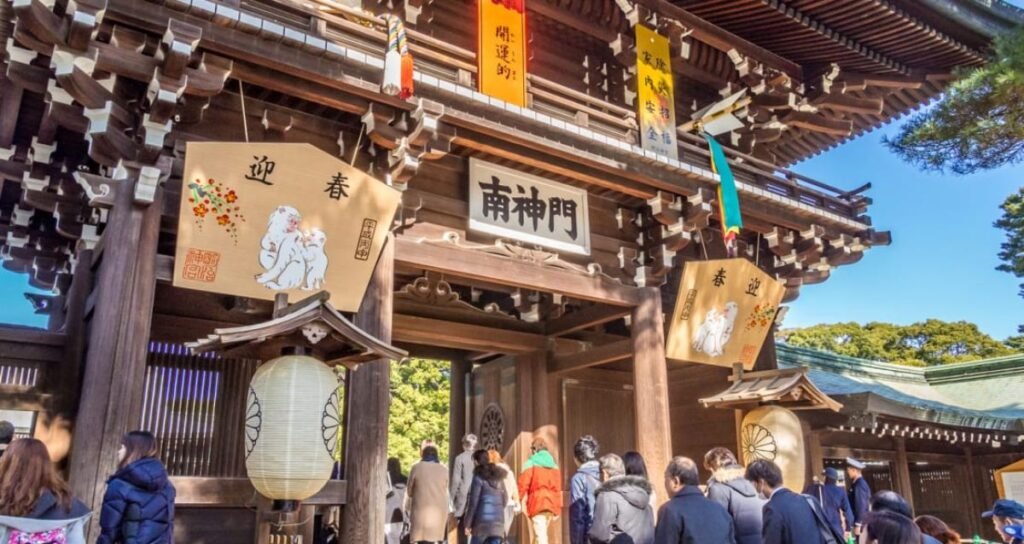
What Is お正月 (Oshōgatsu) and Why Is It Important in Japan?
Oshōgatsu is the heart of Japan’s cultural calendar. It is not simply a holiday it is a meaningful period of renewal, reflection, and spiritual preparation for the year ahead.
For Japanese families, Oshōgatsu represents:
- A fresh beginning — a symbolic reset of life, goals, and intentions
- A time for reflection — looking back on the past year with honesty and gratitude
- An opportunity to express thanks — to family members, ancestors, nature, and protective spirits
- A moment to invite good fortune — for health, happiness, harmony, and success
According to traditional belief, a deity known as Toshigami-sama visits homes during the New Year to bless families with prosperity, good harvests, and well-being. Many New Year customs such as cleaning the home, decorating entrances, and preparing special foods are performed to respectfully welcome this deity and purify the living space.
That is why year-end cleaning, symbolic decorations, and carefully prepared meals are not just habits they are rituals of respect, renewal, and hope. Through Oshōgatsu, people align their homes, hearts, and intentions with a positive beginning for the year ahead.
How Do Japanese People Prepare for New Year?
Preparation for the Japanese New Year begins well before January 1st. It is a thoughtful and symbolic process that focuses on cleansing the past and welcoming positive energy for the future.
1. Ōsōji (大掃除) — Year-End Cleaning
Before the New Year arrives, families take part in ōsōji, a thorough, top-to-bottom cleaning of their homes, workplaces, and even public spaces.
This is more than just tidying up. It represents the act of:
- Letting go of bad luck and negative experiences
- Clearing emotional and mental clutter
- Creating a fresh, peaceful environment for the new year
By cleaning their homes, people symbolically clean their lives preparing to welcome Toshigami-sama, the New Year deity, into a space filled with purity, order, and respect.
If you wish to experience Oshogatsu celebrations in person, this guide helps you plan a Japan trip from India easily.
2. New Year Decorations
Once the home is cleaned, it is adorned with traditional decorations, each chosen for its spiritual meaning and good wishes.
- Kadomatsu — Pine and bamboo arrangements placed at entrances to invite Toshigami-sama and represent strength, resilience, and longevity.
- Shimenawa — Sacred straw ropes hung on doors and gates to purify the space and protect the home from negative influences.
- Kagami Mochi — Two stacked rice cakes topped with an orange, symbolizing harmony, continuity, and the blessing of abundance.
Together, these decorations transform the home into a welcoming space for blessings, peace, and prosperity turning preparation into a beautiful ritual of hope and renewal.
What Is the Japanese New Year Feast Called?
The traditional Japanese New Year feast is called Osechi Ryōri (おせち料理) a beautifully prepared collection of symbolic dishes enjoyed during the Oshōgatsu season.
Osechi is served in elegant, stacked lacquer boxes known as jubako, with each layer holding foods that represent specific hopes and blessings for the coming year. The colors, shapes, and ingredients are carefully chosen, making the meal both visually stunning and deeply meaningful.
Here are some of the most common Osechi dishes and what they symbolize:
| Dish | Meaning |
| Kuromame (Black beans) | Health, diligence, and a strong work ethic |
| Kazunoko (Herring roe) | Fertility, family growth, and prosperity |
| Datemaki (Sweet rolled omelet) | Knowledge, culture, and academic success |
| Shrimp | Longevity and a long, healthy life |
| Kurikinton (Chestnut & sweet potato mash) | Wealth, fortune, and financial success |
Another essential New Year dish is Zōni, a comforting soup made with mochi rice cakes, seasonal vegetables, and broth. Its flavor and ingredients vary by region, making it a unique expression of local tradition.
To understand seasonal celebrations better, read about how Japan celebrates Christmas and compare it with Japanese New Year traditions.
All of these foods are prepared before New Year begins so families can spend the holiday resting, reflecting, and enjoying time together without the need to cook. In this way, Osechi Ryōri becomes not just a meal, but a celebration of hope, harmony, and renewal served on a plate.
What Are Japanese New Year Traditions?
Japanese New Year is filled with meaningful customs that connect people to spirituality, family, and the rhythm of the seasons. Each tradition carries symbolic value and helps mark the beginning of the year with intention and gratitude.
1. Hatsumōde (初詣) — The First Shrine Visit
Shortly after midnight on January 1st, people visit Shinto shrines or Buddhist temples in a tradition known as Hatsumōde. It is the first prayer visit of the year and one of the most important New Year rituals in Japan.
During Hatsumōde, people:
- Offer coins as a sign of respect
- Ring bells to call the attention of the deities
- Bow and clap their hands in prayer
- Write wishes on wooden plaques called ema
Through these acts, people ask for health, success, happiness, and protection in the year ahead.
2. Nengajō (年賀状) — New Year Greeting Cards
Another beloved tradition is sending Nengajō, New Year greeting postcards sent to friends, relatives, teachers, and colleagues. These cards are carefully timed so that they arrive exactly on January 1st.
They serve as a thoughtful way to:
- Express gratitude for the past year
- Maintain social and professional relationships
- Share good wishes for the coming year
Nengajō reflects the Japanese value of maintaining harmony and appreciation within relationships.
Choosing the best time to visit Japan is important if you want to witness New Year festivals and cultural events.
3. Otoshidama (お年玉) — New Year Gift Money
Children eagerly look forward to Otoshidama, the tradition of receiving money in beautifully decorated envelopes from parents, grandparents, and relatives.
Much like red envelopes in Chinese culture, Otoshidama symbolizes:
- Sharing blessings with the younger generation
- Wishing children growth, happiness, and prosperity
- Strengthening family bonds through generosity
Together, these traditions transform the Japanese New Year into a season of reflection, gratitude, hope, and connection where spiritual practices and family warmth come together to welcome a fresh beginning.

How Do You Say “New Year” and “Happy New Year” in Japanese?
Learning how to say “New Year” and “Happy New Year” in Japanese adds a beautiful cultural touch to your understanding of Oshōgatsu and allows you to greet others in a respectful and meaningful way.
“New Year” in Japanese
- New Year = 正月 (Shōgatsu)
- Japanese New Year = 日本のお正月 (Nihon no Oshōgatsu)
These terms are used when talking about the season, traditions, or the holiday itself.
“Happy New Year” in Japanese
- あけましておめでとうございます (Akemashite omedetō gozaimasu) — Formal and polite (used in professional or respectful settings)
- あけましておめでとう (Akemashite omedetō) — Casual and friendly (used with close friends and family)
A key cultural detail is that this greeting is only used after the New Year has begun — from January 1 onward. It is not said before midnight on December 31, as doing so would be considered premature.
Using these phrases correctly shows not only language knowledge, but also cultural awareness and respect an important part of communication in Japan.
When Is Japanese New Year Celebrated?
Japanese New Year is celebrated on:
- January 1 – Main celebration day
- January 1–3 – Public holidays
- Some traditions continue until January 7
Japan follows the Gregorian calendar, so unlike the Chinese New Year, Japanese New Year always starts on January 1.
Before attending shrine visits during Oshogatsu, it is helpful to know the basics of travel to Japan including entry rules and travel tips.
What Is Open in Japan During New Year?
During the New Year holiday, much of Japan slows down as people focus on family and tradition.
- Government offices, banks, and many businesses are closed from January 1 to January 3.
- Convenience stores, some restaurants, and major transport services usually remain open.
- Shrines, temples, and popular tourist attractions become extremely crowded with visitors.
- Trains and flights are often fully booked as millions travel to their hometowns.
If you plan to visit Japan during this time, it’s wise to book transportation early and expect limited services but also a uniquely festive and culturally rich atmosphere.
Traditional New Year dishes like osechi ryori are explained in this detailed Japan food guide
Why Is Japanese New Year Important Culturally?
Japanese New Year beautifully reflects the deeper values that shape Japanese society and everyday life.
It highlights:
- Respect for tradition and ancestral wisdom
- The importance of family unity and togetherness
- Gratitude and humility for the year that has passed
- Harmony with nature, time, and spiritual forces
- Personal renewal and self-improvement for the future
Unlike loud, party-driven celebrations seen elsewhere, the Japanese New Year is calm, reflective, and intentional. It invites people to slow down, reconnect with what truly matters, and begin the year with clarity, balance, and a sense of purpose.
Frequently Asked Questions (FAQs)
Q1. What is Japanese New Year called?
Japanese New Year is called Oshōgatsu (お正月), which refers to the New Year season celebrated from January 1 to early January in Japan.
Q2. What is お正月 (Oshōgatsu) and why is it important?
Oshōgatsu is the most important cultural holiday in Japan. It symbolizes renewal, reflection, gratitude, and the welcoming of good fortune for the year ahead. Families gather, homes are purified, and people reconnect with tradition and spirituality.
Q3. How do you say “New Year” in Japanese?
“New Year” in Japanese is 正月 (Shōgatsu). When referring specifically to the Japanese New Year celebration, people often say 日本のお正月 (Nihon no Oshōgatsu).
Q4. How do you say “Happy New Year” in Japanese?
The formal greeting is あけましておめでとうございます (Akemashite omedetō gozaimasu). A casual version used among friends and family is あけましておめでとう (Akemashite omedetō).
Many tourists enjoy New Year sales, and this article on shopping in Japan highlights popular markets and souvenirs.
Q5. What is the Japanese New Year feast called?
The traditional New Year feast is called Osechi Ryōri (おせち料理). It includes symbolic foods served in stacked boxes, each representing wishes like health, prosperity, and longevity.
Q6. What food is eaten during Japanese New Year?
Common foods include Osechi dishes such as kuromame (black beans), kazunoko (herring roe), datemaki (sweet omelet), shrimp, kurikinton (chestnut mash), and Zōni, a soup with mochi rice cakes.
Q7. What is Hatsumōde?
Hatsumōde (初詣) is the first visit to a shrine or temple in the new year, where people pray for health, success, happiness, and protection.
Q8. Is Japanese New Year similar to Chinese New Year?
No. Japanese New Year is celebrated on January 1 following the Gregorian calendar, while Chinese New Year follows the lunar calendar and changes each year.
Travelers visiting during holidays can combine festivals with outdoor adventures in Japan for a richer experience.
Q9. Do Japanese people celebrate New Year with fireworks or parties?
Generally no. The Japanese New Year is calm and family-oriented, focusing on reflection, prayer, and tradition rather than loud celebrations.
Q10. How long does Japanese New Year last?
The main holiday period is January 1–3, but some traditions continue until January 7.
Q11. What is Toshigami-sama?
Toshigami-sama is the traditional New Year deity believed to visit homes during Oshōgatsu to bring blessings for health, harvests, and prosperity.
Q12. What is Otoshidama?
Otoshidama is the tradition of giving money to children in decorative envelopes as a New Year blessing for growth and happiness.
Q13. What is Nengajō?
Nengajō are New Year greeting postcards sent to friends, family, and colleagues to express gratitude and good wishes for the year ahead.
Q14. Can tourists enjoy Japanese New Year?
Yes, but they should plan carefully, as many businesses close and transport becomes busy. Shrines and temples are lively and culturally rich during this time.
Q15. Why is Japanese New Year culturally unique?
Because it combines spirituality, family values, tradition, and personal reflection — making it more meaningful and inward-focused than many Western New Year celebrations.
Oshogatsu is part of Japan’s vibrant culture, and this list of Japan festivals 2025 showcases other important celebrations.
Conclusion
The Japanese New Year (Oshōgatsu) is more than a date it is a cultural reset, a spiritual renewal, and a family-centered celebration that reflects the heart of Japanese society.
Through traditions like shrine visits, symbolic foods, greetings, and rituals, Japanese people welcome the new year with respect, hope, and gratitude. Whether you are a student, traveler, or language learner, understanding Oshōgatsu offers a meaningful insight into Japan’s values and way of life.
It reminds us that a new year is not just about time changing it is about mindset, renewal, and harmony with the world around us.

 At My Japan Advisor, whether you’re planning a trip, preparing for the JLPT, exploring Japanese culture, or navigating visa processes, we provide expert insights, practical guides, and up-to-date information to make your journey smooth and enjoyable.