

Japan is a country where history, culture, and architecture come together beautifully, and one of the most iconic symbols of Japan’s history is its castles. Every year on April 6, Japan celebrates Castle Day Japan, known as Shiro no Hi, a special day dedicated to honoring the magnificent castles built during the samurai era. These castles are not just historical buildings but symbols of power, strategy, culture, and architectural brilliance.
In this detailed guide, we will explore Castle Day Japan history, Castle Day Japan facts, and the 10 most beautiful Japanese castles you should explore.
Castle Day Japan History
Castle Day Japan is celebrated on April 6 because the numbers 4 (shi) and 6 (ro) together sound like the Japanese word shiro, which means castle. This clever wordplay led to the creation of Castle Day in Japan to celebrate the country’s historic castles and samurai heritage.
Japanese castles were built mainly during the feudal period, especially in the Sengoku and Edo periods, when warlords and samurai ruled different regions of Japan. These castles were used as military fortresses, government centers, and residences for feudal lords known as daimyo.
Today, many of these castles are preserved as historical sites, museums, and tourist attractions. On Castle Day Japan, many castles host special events, guided tours, cultural programs, and exhibitions.
Official Website of Japan -: Japan National Tourism Organization
Castle Day Japan Facts
Here are some interesting Castle Day Japan facts you should know:
- Japan once had more than 5000 castles, but many were destroyed due to wars and modernization.
- Only 12 original castles still have their original wooden keeps.
- Japanese castles were designed with stone walls, moats, secret passages, and defensive systems.
- Castles were not only military bases but also political and cultural centers.
- Some castles today allow visitors to stay in a castle in Japan as part of tourism experiences.
- A few castles are available for Japanese castle rental for events and cultural experiences.
- Castles are often surrounded by cherry blossom trees, making them popular during spring.
10 Must Visit Castles in Japan
Now let’s explore the most beautiful castles in Japan that you should visit.
If you are planning your first trip, you should read the complete Japan travel guide for first time visitors to understand travel planning, transport, and itinerary.
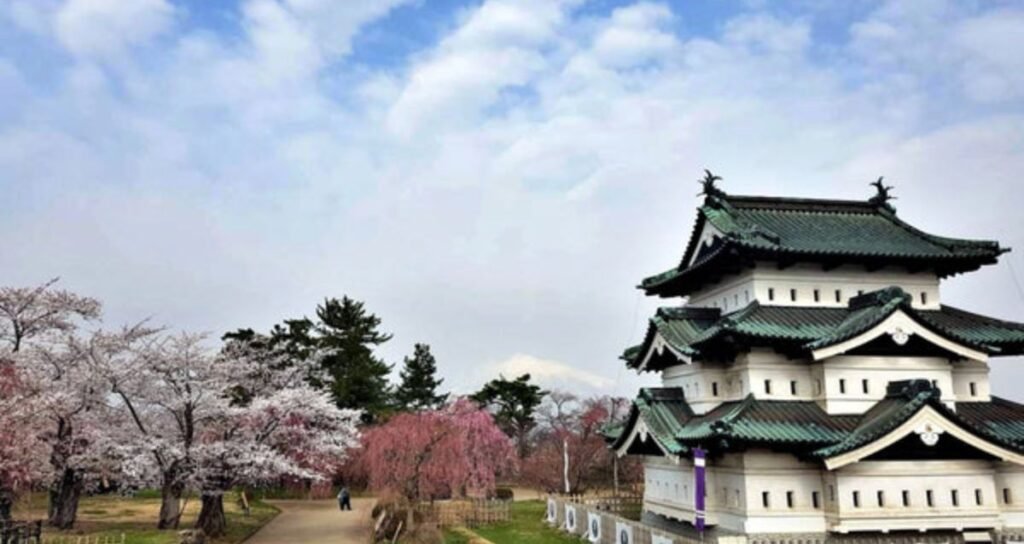
1. Hirosaki Castle – The Moving Miracle
Hirosaki Castle
Hirosaki Castle is famous for its beautiful cherry blossom gardens and historic architecture. The castle keep was actually moved during renovation, which is why it is sometimes called the “Moving Castle of Japan.”
During spring, the castle becomes one of the most beautiful cherry blossom spots in Japan.
2. Tsuruga Castle – Japan’s Only Red Roof Castle
Tsuruga Castle
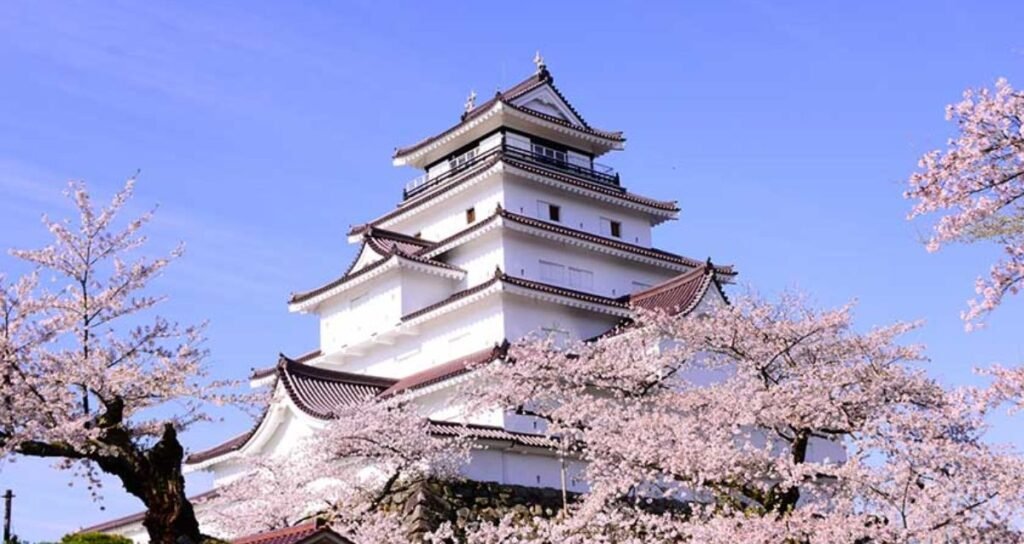
Tsuruga Castle is unique because of its red roof tiles, which are very rare among Japanese castles. The castle played an important role during the Boshin War, one of Japan’s major historical conflicts.
The castle museum inside tells the story of samurai history and battles.
3. Edo Castle – Echoes of the Shogunate
Edo Castle
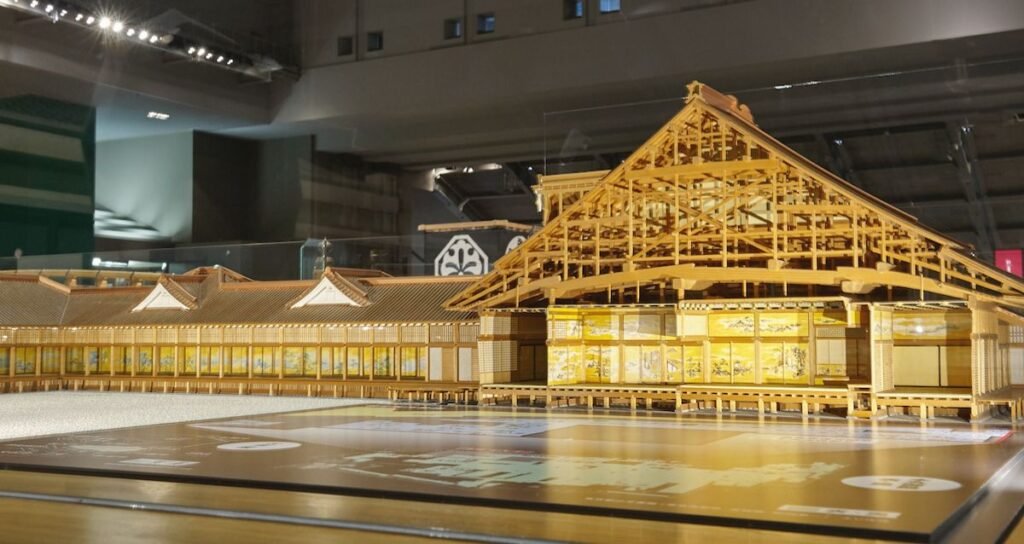
Edo Castle was once the residence of the Tokugawa Shogunate, which ruled Japan for more than 250 years. Today, the castle site is part of the Tokyo Imperial Palace.
Even though most of the castle no longer exists, the massive stone walls and moats still remain.
4. Matsumoto Castle – The Majestic Crow Castle
Matsumoto Castle
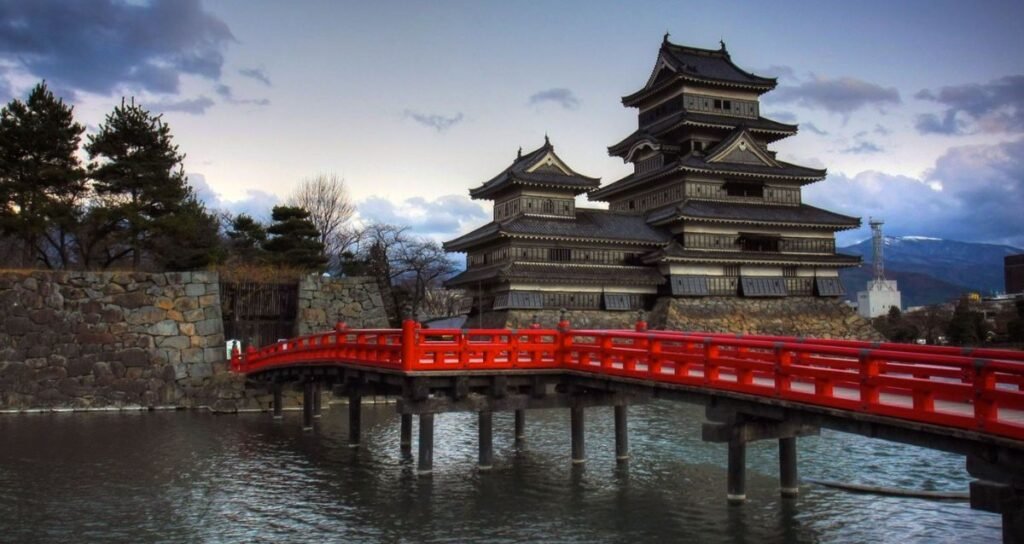
Matsumoto Castle is one of the most famous castles in Japan and is known as the Crow Castle because of its black exterior. It is also one of Japan’s 12 original castles.
The castle is surrounded by a moat and mountains, making it one of the most scenic castles in Japan.
5. Hikone Castle – A Journey Through Time
Hikone Castle
Hikone Castle is another original castle that has survived for centuries. Inside the castle, you can see samurai armor, weapons, and historical artifacts.
The castle town around Hikone is also well preserved and gives a glimpse of old Japan.
6. Osaka Castle – An Emblem of Power
Osaka Castle
Osaka Castle is one of the most famous landmarks in Japan. It was built by Toyotomi Hideyoshi, one of Japan’s greatest samurai leaders.
The castle played a major role in the unification of Japan. Today, it is a museum and a popular tourist attraction.
Before applying for a visa, you should check the latest Japan visa rule change updates to avoid application issues.
7. Himeji Castle – Japan’s First UNESCO World Heritage Castle
Himeji Castle
Himeji Castle is considered the most beautiful castle in Japan. It is also a UNESCO World Heritage Site and one of the best preserved castles in Japan.
The castle is known as the White Heron Castle because of its elegant white appearance.
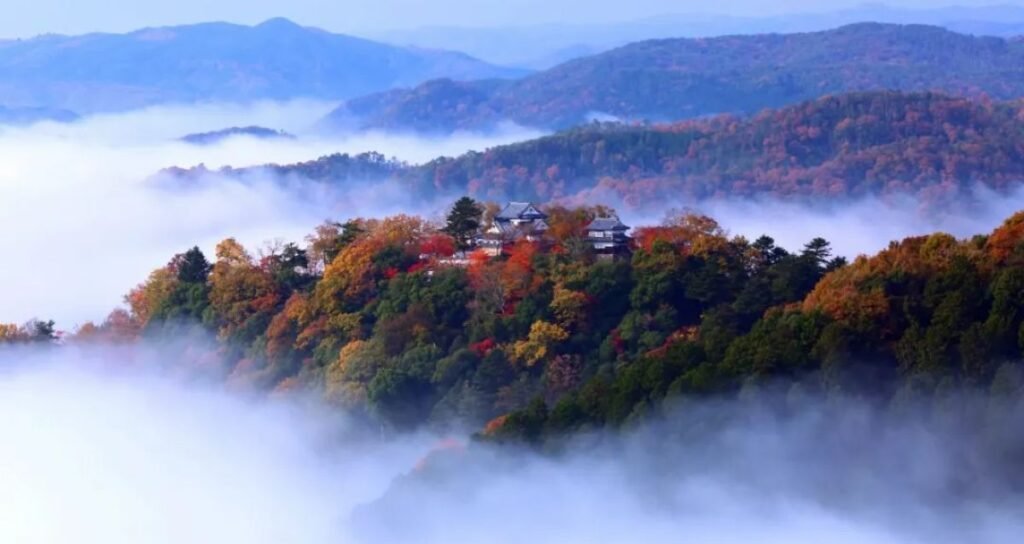
8. Bitchu Matsuyama Castle – The Castle in the Clouds
Bitchu Matsuyama Castle
This castle is famous for appearing above the clouds during foggy mornings, which is why it is called the Castle in the Clouds.
It is located on a mountain and offers breathtaking views.
9. Kumamoto Castle – A Fortress of Resilience
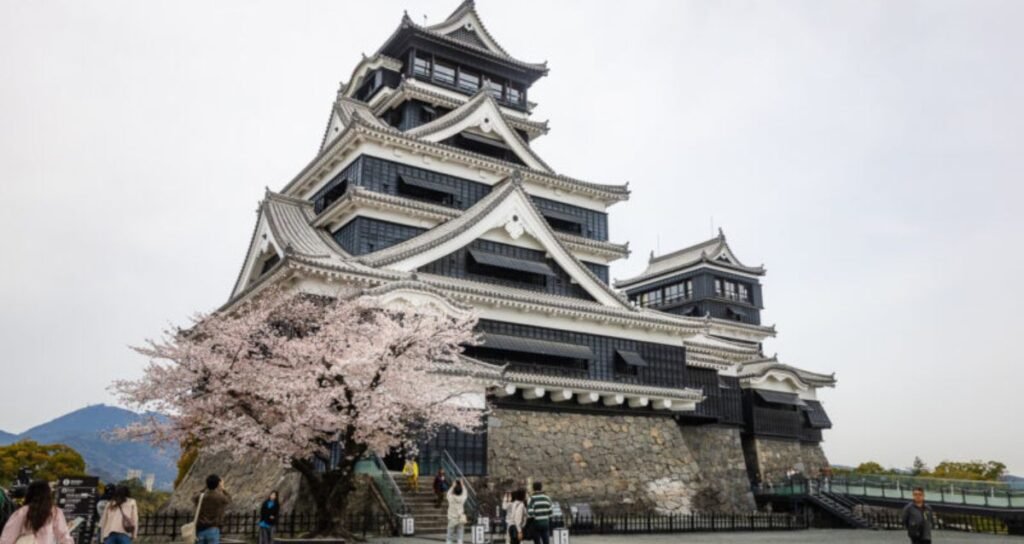
Kumamoto Castle
Kumamoto Castle is one of the largest castles in Japan. Although it was damaged during earthquakes, restoration work is ongoing and visitors can still explore parts of the castle.
It is known for its strong defensive walls and massive structure.
10. Shuri Castle – Relics of the Ryukyu Kingdom
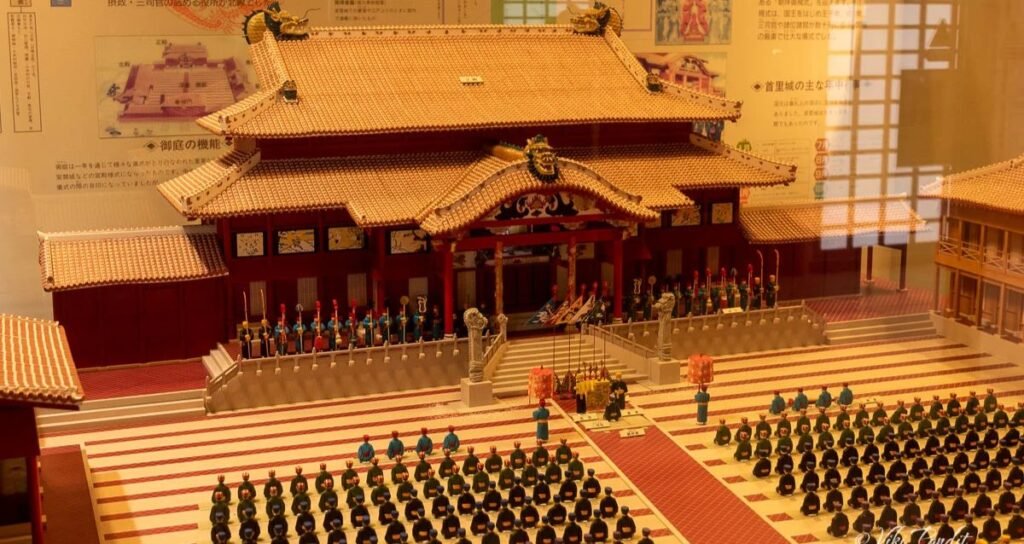
Shuri Castle
Shuri Castle is different from other Japanese castles because it reflects Ryukyu Kingdom architecture rather than traditional samurai castles.
The castle has bright red architecture and represents Okinawa’s unique culture and history.
Students planning to study in Japan should read the Japan student visa documents required guide for complete documentation details.
Ozu Castle and Ozu Japan
Another beautiful historic castle worth visiting is
Ozu Castle located in
Ozu.
Ozu Castle is famous because visitors can stay in a castle in Japan here. This is a unique tourism experience where visitors can experience the life of a feudal lord for a night. This is also part of the growing trend of Japanese castle rental, where castles are restored and used for tourism and cultural experiences.
Stay in a Castle in Japan Experience
One of the most unique experiences in Japan is staying overnight in a historic castle. Some restored castles like Ozu Castle offer luxury historical stays where guests can:
- Wear samurai armor
- Enjoy traditional Japanese meals
- Experience tea ceremonies
- Stay in castle rooms
- Explore the castle privately at night
This experience is becoming popular among tourists who want to experience Japanese history in a unique way.
You can also explore the latest top travel trends for Japan in 2026 to understand tourism, jobs, and study opportunities.
The Legacy of Japanese Castles and Culture
Japanese castles are more than historical monuments. They represent:
- Samurai culture
- Feudal history
- Japanese architecture
- Military strategy
- Cultural heritage
- Art and craftsmanship
Most castles were built using wood and stone, and they were designed with complex defense systems including moats, gates, watchtowers, and hidden paths.
Today, castles are important tourist attractions and cultural heritage sites in Japan.
Conclusion: Celebrate Castle Day Japan
Castle Day Japan is a beautiful celebration of Japan’s history, culture, and architecture. Celebrated every year on April 6, this day reminds people of the importance of preserving historic castles and remembering the samurai era.
From Himeji Castle and Matsumoto Castle to Ozu Castle and Osaka Castle, Japan’s castles are some of the most beautiful historical structures in the world. Whether you are a history lover, architecture enthusiast, or traveler, exploring Japanese castles is an unforgettable experience.
If you ever visit Japan, make sure to explore these castles and experience the rich history of the samurai era. And if possible, try to stay in a castle in Japan for a once in a lifetime cultural experience.
Castle Day Japan is not just a celebration of buildings, but a celebration of Japan’s history, culture, and timeless architectural beauty.
If you want to work in Japan, check the Japan work visa online apply process and eligibility requirements.
Castle Day Japan – Frequently Asked Questions (FAQs)
1. What is this 🏯?
The 🏯 emoji represents a Japanese castle, which is a traditional fortress built during the samurai era. On Castle Day Japan, this symbol is widely used to celebrate Japan’s historic castles and cultural heritage.
2. Why is Osaka Castle so famous?
Osaka Castle
Osaka Castle is famous because it was built by Toyotomi Hideyoshi, one of Japan’s most powerful samurai leaders. It played a key role in the unification of Japan and is now one of the most visited historical landmarks in the country.
To learn more about Japanese culture and festivals, you can read about White Day in Japan and its traditions.
3. What are the top 3 castles in Japan?
The top 3 castles often recommended for visitors are:
- Himeji Castle – Known for its white beauty and UNESCO status
- Matsumoto Castle – Famous for its black exterior and original structure
- Osaka Castle – A symbol of power and history
These castles perfectly represent the essence of Castle Day Japan.
4. What is better, Himeji Castle or Osaka Castle?
Himeji Castle and Osaka Castle are both incredible, but they offer different experiences.
- Himeji Castle is better for those who want to see an original, well-preserved castle with authentic architecture.
- Osaka Castle is better for those who enjoy modern exhibits, museums, and a lively city atmosphere.
So the choice depends on whether you prefer history or a more interactive tourist experience.
5. What does 🔞 🔞 🔞 mean?
The 🔞 emoji means “18+ only” or “adults only.” It is commonly used to indicate content or places that are restricted to people above 18 years of age and is not directly related to Castle Day Japan.
6. Why is Castle Day Japan celebrated on April 6?
Castle Day Japan is celebrated on April 6 because the numbers 4 (shi) and 6 (ro) together sound like “shiro,” which means castle in Japanese. It is a fun wordplay that honors Japan’s castle heritage.
If you are interested in Japanese food industry events, you can read about FOODEX Japan 2026 and international food exhibitions.
7. Can you stay in a castle in Japan?
Yes, you can stay in a castle in Japan at select locations like
Ozu Castle.
This unique experience allows visitors to live like a feudal lord, enjoy traditional meals, and explore the castle privately.
8. How many original castles are left in Japan?
Japan currently has 12 original castles that still retain their original wooden keeps. These are highly valued and are an important part of Castle Day Japan history.
Before moving to Japan, you should understand the average cost of living in Japan including rent, food, and transport.
9. What makes Japanese castles unique?
Japanese castles are unique because of their:
- Wooden structures combined with stone bases
- Complex defense systems like moats and hidden paths
- Elegant multi-layered roofs
- Strong connection to samurai culture
These features make them stand out globally.
10. What is the best time to visit castles in Japan?
The best time to visit castles is during spring (March to April) for cherry blossoms or autumn (October to November) for colorful foliage. Visiting during Castle Day Japan on April 6 is also special because many castles host events and tours.

 At My Japan Advisor, whether you’re planning a trip, preparing for the JLPT, exploring Japanese culture, or navigating visa processes, we provide expert insights, practical guides, and up-to-date information to make your journey smooth and enjoyable.