

Christmas in Japan is a vibrant mix of Western inspiration and distinctive Japanese imagination. Rather than being a religious occasion, it is enjoyed mainly as a social and lifestyle celebration centered on romantic evenings, city illuminations, special meals, and winter cheer. Streets and shopping districts glow with seasonal lights, creating a festive atmosphere that runs from late November through December.
A key highlight of How Japan Celebrates Christmas is its food culture. Christmas cake, decorated with strawberries and cream, is a seasonal favorite, while enjoying fried chicken from KFC has become a popular modern tradition. Families, couples, and friends celebrate through dining, gift exchanges, and winter outings rather than formal rituals.
Modern pop culture also plays a strong role in How Japan Celebrates Christmas, with themed cafés, limited-edition products, and special events across major cities. For travelers and Japanese language learners, this season offers valuable insight into contemporary Japanese society, showing how global customs are adapted into uniquely local traditions filled with warmth, style, and seasonal joy.Japanese New Year
Christmas a Public Holiday in Japan?
Christmas is not a national or public holiday in Japan. On December 25, most offices, schools, banks, and businesses continue to operate as usual. Since only a small percentage of Japan’s population follows Christianity, Christmas does not carry religious importance for the majority of people.
However, this does not mean Christmas is ignored or celebrated quietly. On the contrary, Japan has transformed Christmas into a vibrant seasonal and cultural celebration rather than a religious one. Public Holidays and Annual Events
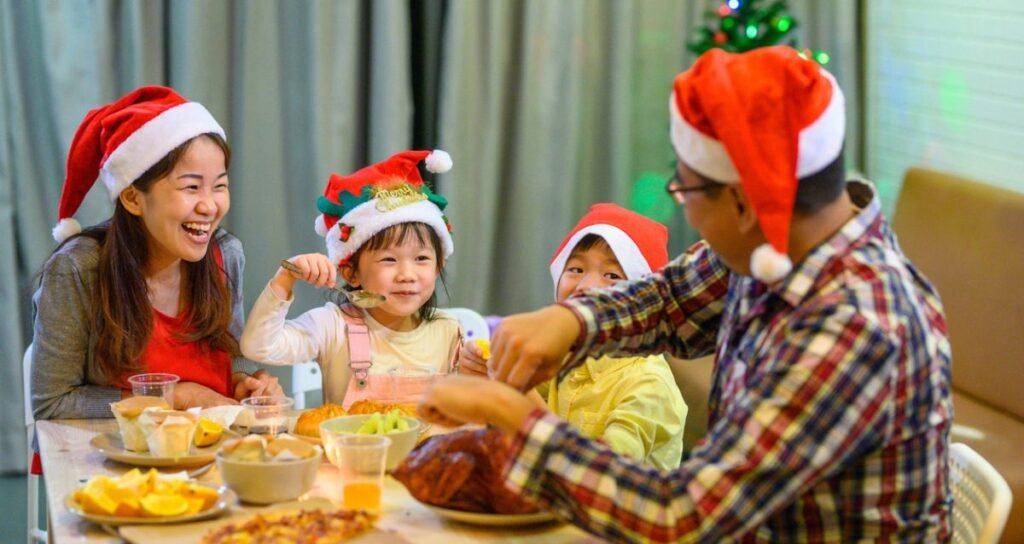
In Japan, Christmas is mainly about:
- Seasonal joy and winter celebrations
- Romantic moments for couples
- Stunning city illuminations and decorations
- Limited-edition Christmas food and desserts
- Pop culture, shopping, and entertainment
This unique approach makes Christmas in Japan feel more like a romantic winter festival, blending Western influence with modern Japanese lifestyle and creativity.
History of Christmas in Japan
Christmas was first introduced to Japan in the 16th century by Christian missionaries, but it remained unfamiliar and limited in influence for several centuries. During this early period, Christmas had little impact on daily life and was observed only within small Christian communities.
The real transformation began after World War II, when Japan experienced rapid modernization and increased exposure to Western culture. Along with changes in fashion, music, and lifestyle, Christmas slowly entered Japanese society not as a religious observance, but as a modern cultural event. History of Christmas in Japan
By the 1970s and 1980s, Christmas had evolved into:
- A romantic occasion for couples, similar to Valentine’s Day
- A commercial and shopping-driven festival
- A seasonal winter entertainment celebration
Department stores, restaurants, and cities embraced Christmas themes, decorations, and limited-time experiences, helping the festival gain widespread popularity.
Today, Christmas is firmly rooted in Japan’s urban culture, especially in major cities. It is celebrated through illuminations, themed dining, music, and social experiences showing how Japan has creatively adapted a global tradition into something uniquely its own.
Christmas in Japan vs Western Countries
While Christmas is celebrated worldwide, the way it is observed in Japan is very different from Western countries. Japan has reshaped Christmas into a modern cultural and social event, whereas Western celebrations remain deeply rooted in religion and family traditions.MEXT Scholarship Indian Students Japan Guide
Key Differences at a Glance
| Aspect | Japan | Western Countries |
| Religious significance | Minimal; largely non-religious | High; rooted in Christian traditions |
| Public holiday | No; regular work and school day | Yes; official public holiday |
| Main focus | Romance, fun, and seasonal enjoyment | Family gatherings and religious observance |
| Gift exchange | Primarily between couples | Mostly among family members |
| Main celebration day | Christmas Eve | Christmas Day |
What Makes Japan’s Christmas Unique?
In Japan, Christmas is viewed as a romantic winter celebration, similar to Valentine’s Day. Couples plan special dates, enjoy festive dinners, and exchange meaningful gifts. Cities light up with illuminations, restaurants offer limited-edition menus, and shopping districts buzz with seasonal excitement. Best Time to Visit Japan
In contrast, Western countries emphasize family reunions, religious services, and traditional meals, making Christmas Day the emotional center of the holiday.
This contrast highlights how Japan has creatively adapted Christmas to fit its social values and modern lifestyle—turning a global festival into a uniquely Japanese experience.
Christmas Eve: The Most Important Day
In Japan, Christmas Eve (December 24) is the true highlight of the seaso often considered more important than Christmas Day itself. Rather than being a family-centered holiday, Christmas Eve in Japan is widely compared to Valentine’s Day, making it a special occasion for romance and memorable experiences. Japan Festivals

Couples plan carefully to make the evening meaningful and unique. Popular Christmas Eve activities include:
- Romantic candlelight dinners at restaurants
- Luxury hotel stays or short getaways
- Exchanging thoughtful gifts
- Walking through stunning winter illuminations
Cities glow with festive lights, creating a magical atmosphere that sets the perfect mood for celebrations.
Due to high demand, restaurants, cafes, and hotels are often fully booked weeks in advance, especially in major cities. This excitement and anticipation make Christmas Eve one of the most socially significant nights of the year in Japan—celebrated with style, emotion, and seasonal charm.
How Christmas Is Socially Celebrated in Japan
In Japan, Christmas is widely viewed as a couple-focused occasion, especially among young adults. Rather than large family gatherings, the season emphasizes shared experiences, meaningful time together, and special outings.
Many people carefully plan their Christmas celebrations, which often include:
- Candlelight dinners in stylish settings
- Advance reservations at high-end restaurants
- Well-planned date nights with a festive atmosphere
For those who are single, Christmas Eve can still feel socially important. Many choose to spend the evening:
- With close friends
- At themed parties or seasonal events
- Exploring illuminated city areas
This social approach reflects how Japanese culture values shared experiences and atmosphere during special seasons.
Understanding these subtle cultural patterns is especially valuable for anyone studying Japanese society, traveling, or planning to live in Japan. At TLS – The Japanese Language School, such real-life cultural insights are explored alongside language learning, helping students understand not just how Japanese is spoken, but how social traditions truly work in everyday life. Best Time to Visit Japan
Japanese Christmas Decorations & Illuminations
One of the most breathtaking highlights of Christmas in Japan is winter illumination. Each year, cities across the country transform into glowing wonderlands filled with carefully designed LED displays, festive trees, and artistic light installations.
From late November through February, streets, parks, and commercial districts shine with millions of lights, creating a magical winter atmosphere that attracts couples, families, photographers, and tourists alike.
Famous Illumination Areas Across Japan
- Shibuya & Shinjuku in Tokyo
- Roppongi Hills, known for luxury shopping and skyline views
- Midosuji Street in Osaka, lined with golden-lit trees
- Kobe Luminarie, a large-scale light festival with European inspiration
- Sapporo White Illumination in Sapporo, famous for its snowy backdrop
These illuminations are not just decorations—they are seasonal experiences. People stroll through the glowing streets, take photos, enjoy nearby cafes, and soak in the festive mood.
The popularity of winter illuminations shows how Japan celebrates Christmas through visual beauty and shared atmosphere, turning ordinary urban spaces into unforgettable winter scenes.
What Do Japanese People Eat on Christmas?
Food plays a central role in how Japan celebrates Christmas. While the dishes may look familiar to Western visitors, the meaning and presentation are uniquely Japanese, turning Christmas meals into a special seasonal experience. Best Time to Visit Japan
1. KFC Christmas Dinner – A Nationwide Tradition
One of the most famous and surprising Christmas traditions in Japan is enjoying Kentucky Fried Chicken (KFC) for Christmas dinner. This custom began in the 1970s after a highly successful advertising campaign with the slogan:
“Kurisumasu ni wa Kentakkii”
(Kentucky for Christmas)
What started as marketing quickly became a national habit. Today:
- Families and couples pre-order KFC meals weeks in advance
- Special Christmas-only buckets and set meals are released
- Long queues form outside KFC outlets on December 24
For many Japanese households, KFC has become the unofficial taste of Christmas.

2. Japanese Christmas Cake – Sweet and Symbolic
Another essential part of Christmas in Japan is the Japanese Christmas cake. Unlike heavy fruitcakes, it is light, elegant, and visually appealing.
Typical features include:
- Soft sponge cake layers
- Fresh whipped cream
- Bright red strawberries on top
The cake represents happiness, celebration, and good fortune. It is commonly shared by couples, families, friends, and coworkers, making it one of the most loved Christmas traditions in Japan.
3. Western-Style Meals with a Japanese Touch
In addition to KFC and cake, many people enjoy Western-inspired meals adapted to Japanese tastes, such as:
- Roast chicken
- Pizza
- Pasta
- Seasonal Western-style desserts
Restaurants, hotels, and cafes often introduce limited-edition Christmas menus, carefully blending Western dishes with Japanese flavors and presentation. Dining out during Christmas is extremely popular, especially on Christmas Eve, and reservations are usually required well in advance.
Together, these food traditions show how Japan has reimagined Christmas not as a traditional feast, but as a fun, seasonal dining experience that combines global influences with local creativity.
Christmas Gifts in Japan
Christmas gift-giving in Japan is simple, meaningful, and thoughtfully done. Unlike in many Western countries where gifts are exchanged widely among families, Japanese Christmas gifts are usually limited to:
- Couples
- Close friends
Rather than focusing on expensive presents, the emphasis is placed on consideration and emotional value.
Typical characteristics of Christmas gifts in Japan include:
- Thoughtful and modest choices that show personal understanding
- Beautiful, careful wrapping, often as important as the gift itself
- Meaning over price, with attention to sentiment rather than cost
This approach reflects Japan’s deeper cultural values of politeness, respect, and presentation. A well-chosen, neatly wrapped gift communicates care and intention, making the exchange feel special even when the item itself is simple.
Through this refined gift culture, Christmas in Japan becomes less about extravagance and more about expressing feelings in a subtle, elegant way a style that mirrors everyday Japanese social customs.
Christmas Music & Pop Culture in Japan
Music plays a key role in setting the mood for Christmas in Japan, adding warmth and emotion to the winter season. Throughout December, festive sounds fill public spaces and entertainment venues, creating a cheerful and nostalgic atmosphere.
Japanese Christmas playlists typically feature a mix of:
- Classic Western carols
- J-pop Christmas songs created especially for the season
- Anime- and pop-inspired tracks loved by younger audiences
Unlike traditional carols focused on religious themes, popular Japanese Christmas songs often highlight:
- Love and relationships
- Winter memories and emotions
- A sense of nostalgia and seasonal reflection
These songs can be heard everywhere—from shopping malls and cafes to train stations and convenience stores—making Christmas music an everyday part of life during December.
This blend of global melodies and Japanese pop culture reflects how Japan celebrates Christmas as a modern, emotional, and entertainment-driven season, rather than a formal or religious event.
How Schools and Families Celebrate Christmas
Christmas celebrations in Japan are generally light, informal, and centered on enjoyment, especially in schools and homes. Rather than following strict traditions, people focus on creating a cheerful seasonal mood.
Christmas in Schools
In many schools and language institutes, Christmas is marked with small, fun activities such as:
- Simple classroom parties
- Seasonal decorations like paper trees and lights
- Santa costumes or festive accessories worn by teachers or students
These activities help create a relaxed and joyful atmosphere, particularly for younger students, without making Christmas a formal event.
Christmas at Home
At home, celebrations are usually quiet and personal:
- Couples often celebrate privately, enjoying a meal or exchanging gifts
- Families with young children may include Santa-themed traditions, such as small presents
- Home decorations remain minimal and tasteful, reflecting Japanese design preferences
Overall, the focus of Christmas in Japanese homes and schools is fun, comfort, and seasonal happiness, rather than religious rituals or elaborate ceremonies. This simple approach reflects how Japan celebrates Christmas as a cultural experience—warm, relaxed, and easy to enjoy.
Modern Christmas Culture in Japan
Christmas in modern Japan is a reflection of the country’s ability to adapt global traditions into everyday life. Rather than following fixed customs, the celebration has evolved into a flexible, lifestyle-driven event shaped by modern values and social trends.
Today, Christmas in Japan is influenced by:
- Global culture and Western aesthetics
- Consumer-driven seasonal experiences
- Social activities focused on connection and enjoyment
This contemporary style of celebration is especially popular among:
- Urban youth
- College and language students
- Working professionals in major cities
Shopping districts, cafes, entertainment venues, and social media all play a role in shaping how Christmas is experienced—making it less about tradition and more about shared moments and atmosphere.
This modern cultural approach is often explored in Japanese language and cultural studies at TLS – The Japanese Language School, where learners gain real-world insights into how festivals like Christmas influence daily life, communication styles, and social behavior in Japan—alongside grammar, conversation, and practical usage.
Christmas in Japan for Tourists
Visiting Japan during Christmas is a visually stunning and memorable experience. While it may not be a traditional holiday season, Japan offers a unique winter atmosphere that many travelers find magical.
Why Christmas Is a Great Time to Visit Japan
Tourists visiting Japan in December can enjoy:
- Spectacular city illuminations that light up streets and landmarks
- Festive shopping experiences with seasonal displays and limited-edition items
- Special Christmas food and desserts, available only at this time of year
- Charming winter city vibes, especially in places like Tokyo, Osaka, and Sapporo
Christmas Eve in particular feels lively and atmospheric, making it ideal for sightseeing, night walks, and photography.
Important Things Tourists Should Keep in Mind
While Christmas is enjoyable, visitors should plan with a few cultural differences in mind:
- December 25 is not a public holiday, so offices and transport run normally
- New Year (Shōgatsu) is far more important culturally than Christmas
- Many shops, restaurants, and attractions close after December 31, sometimes until early January
Because of this, Christmas is often one of the best times to explore Japanese cities, while New Year is a time to slow down and plan carefully.
For travelers interested in understanding these cultural nuances more deeply, learning basic Japanese and cultural context—such as how seasonal events are experienced—can greatly enrich the journey.
Why Learning Japanese Enhances Cultural Understanding
Understanding how Japan celebrates global festivals like Christmas goes far beyond surface-level knowledge. It helps learners experience the culture from the inside, not just as observers.
By learning Japanese, students are better able to:
- Communicate more naturally in real-life social situations
- Understand unspoken social behavior, emotions, and seasonal customs
- Connect more easily with locals, conversations, and everyday life
Festivals such as Christmas reveal how Japanese society adapts international traditions into its own lifestyle—through language, social cues, food culture, and shared experiences. These details are often missed without cultural and linguistic context.
At TLS – The Japanese Language School, cultural education is an essential part of language learning. Students don’t just study grammar and vocabulary—they explore how festivals, social trends, and modern traditions shape communication in Japan. This approach helps learners understand not only what Japanese people say, but why they say it, making language learning practical, meaningful, and culturally authentic.
Conclusion
Christmas in Japan is a beautiful example of cultural adaptation—blending Western traditions with Japanese values of romance, presentation, and seasonal joy. From dazzling illuminations to KFC dinners and strawberry cakes, Japanese Christmas celebrations are unlike anywhere else in the world.
Whether you are a traveler, student, or language learner, understanding how Japan celebrates Christmas provides valuable insight into Japanese modern culture and social life.
FAQs – How Japan Celebrates Christmas
1. Is Christmas a public holiday in Japan?
No, Christmas is not a national or public holiday in Japan. Offices, schools, banks, and public transport usually operate as normal on December 25.
2. Do Japanese people celebrate Christmas religiously?
For most people in Japan, Christmas is not a religious event. It is celebrated as a cultural and seasonal occasion focused on enjoyment, decorations, food, and social experiences.
3. Why is KFC so popular during Christmas in Japan?
KFC became popular due to a highly successful 1970s marketing campaign promoting fried chicken as a Christmas meal. Over time, this campaign turned into a nationwide tradition, with families pre-ordering meals weeks in advance.
4. What is a Japanese Christmas cake?
A Japanese Christmas cake is typically a light sponge cake topped with fresh whipped cream and strawberries. It symbolizes happiness and celebration and is shared by couples, families, and friends.
5. Is Christmas more important than New Year in Japan?
No. New Year (Shōgatsu) is the most important holiday in Japan. Christmas is more of a social and entertainment-focused celebration, while New Year is deeply cultural and family-oriented.
6. Do families celebrate Christmas in Japan?
Christmas in Japan is mainly a couple-centered celebration. Families with young children may include Santa traditions or small gifts, but large family gatherings are uncommon.
7. What usually happens on Christmas Eve in Japan?
Christmas Eve is the main celebration day. People enjoy special dinners, exchange gifts, book hotels, and walk through winter illumination areas. Restaurants and venues are often fully booked.
8. Are there Christmas markets in Japan?
Yes, many large cities host European-style Christmas markets, especially in Tokyo, Osaka, and Yokohama. These markets offer festive food, drinks, lights, and seasonal shopping.
9. Is Japan a good place to visit during Christmas?
Yes, Japan is an excellent destination in December. Visitors can enjoy beautiful illuminations, festive shopping, seasonal food, and lively city atmospheres, especially in urban areas.
10. Do shops and attractions close during Christmas in Japan?
Most shops and attractions remain open during Christmas. However, many places close after December 31 for New Year holidays, which tourists should plan for in advance.

 At My Japan Advisor, whether you’re planning a trip, preparing for the JLPT, exploring Japanese culture, or navigating visa processes, we provide expert insights, practical guides, and up-to-date information to make your journey smooth and enjoyable.