


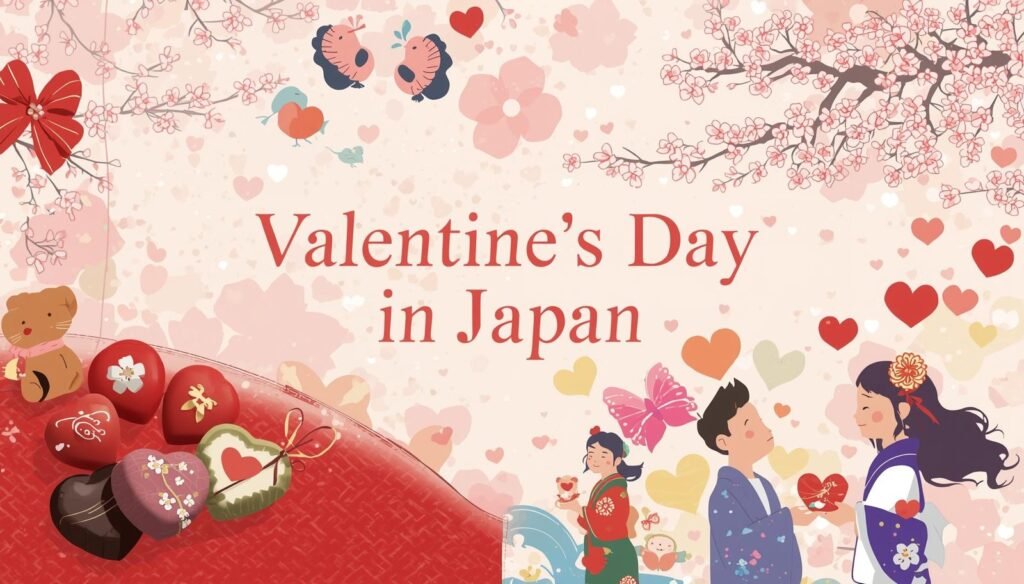
In Japan, Valentine’s Day in Japan on February 14 carries a distinctive custom centered on chocolate and thoughtful gestures. Traditionally, women present chocolates to men, a practice shaped by postwar confectionery marketing that became a beloved social ritual. The gifts vary in meaning: giri-choco (obligation chocolate) for colleagues and acquaintances, honmei-choco for romantic partners, and tomo-choco shared among friends. Recently, jibun-choco—treating oneself—has grown popular, reflecting self-care and personal joy. The celebration is followed a month later by White Day, when men return the favor. This women-led gifting culture blends affection, courtesy, and creativity, with many people crafting handmade chocolates or selecting artisanal sweets. Beyond romance, the day highlights gratitude and connection across social circles, making the tradition uniquely Japanese while still honoring the universal theme of love.
The History of Valentine’s Day in Japan
The history of Valentine’s Day in Japan dates back to the 1950s. Unlike the West, where Valentine’s was associated with romantic gestures, the Japanese version initially started as a marketing strategy by chocolate companies. These companies promoted chocolate as a way for women to express their feelings toward men, which at that time, was considered taboo in Japanese society.

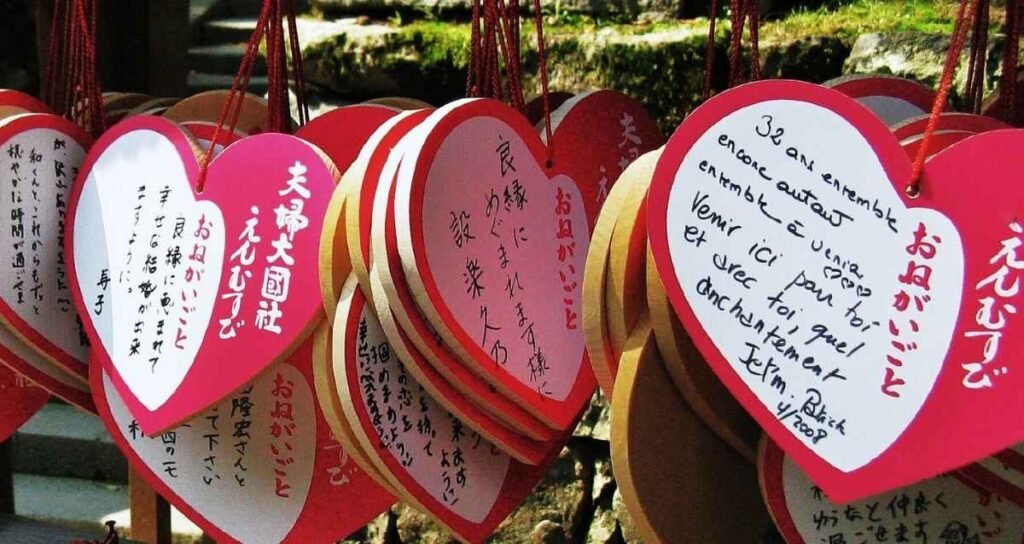
Chocolate shops began advertising Valentine’s Day as the perfect opportunity for women to confess their love to their crushes or partners. This created a win-win situation: women could convey affection, and chocolate companies saw a significant boost in sales. Over the decades, the tradition evolved, becoming a culturally ingrained event with well-defined gifting categories.
Japanese Valentine’s Day Traditions
In Japan, Valentine’s celebrations focus heavily on chocolate, and the type of chocolate conveys different meanings. Here’s a detailed breakdown of these traditions: Poképark Kanto Tokyo
Types of Chocolate
| Type of Chocolate | Meaning | Recipients |
| Honmei-Choco (True Feeling Chocolate) | Heartfelt gift, often handmade | Romantic partners, crushes, or loved ones |
| Giri-Choco (Obligation Chocolate) | Appreciation without romantic interest | Colleagues, bosses, acquaintances |
| Tomo-Choco (Friend Chocolate) | Appreciation and friendship | Friends, regardless of gender |
| Jibun-Choco (Self-Chocolate) | Self-indulgence and care | One’s self |
| Gyaku-Choco (Reverse Chocolate) | Men gifting chocolate to women | Women, often on White Day or rare occasions |
Honmei-Choco represents true feelings, often crafted by hand or chosen with great care. Making chocolate from scratch shows dedication and affection. Giri-Choco, on the other hand, is a polite gesture for colleagues or acquaintances, often store-bought, and reflects gratitude rather than romance. Tomo-Choco allows friends to celebrate their bond, while Jibun-Choco encourages individuals to treat themselves, a practice growing in popularity as self-care becomes more emphasized in modern society. Occasionally, Gyaku-Choco sees men reciprocating affection, but it is far less common than the traditional female-led gifting.
Official Website of Japan -: www.japan.travel/en/us/blog/valentines-day-white-day-in-japan/
White Day in Japan
Exactly one month after Valentine’s Day, on March 14th, Japanese men are expected to return the favor with gifts on White Day in Japan. These gifts often include white-themed chocolates, cookies, or even jewelry. The value of the gift is traditionally two to three times higher than what was received, reflecting cultural expectations of reciprocity.
This system of giving and reciprocation is central to the Valentine’s Day and White Day in Japan dynamic, creating a continuous celebration of affection from February to March.
Valentine’s Day in Japan Today
While the holiday began as a marketing gimmick, Japanese Valentine’s Day traditions have grown to encompass more than romantic expression. It now includes celebrating friendships, familial bonds, and even personal indulgence. Retailers start promoting seasonal chocolates and themed gifts as early as January, showcasing high-end, playful, and cute packaging that appeals to all demographics.

For couples, Valentine’s can also involve dining at a Valentine’s Day Japanese restaurant, attending events, or exchanging luxurious chocolates branded for special occasions.
If you’re planning your trip around February, it’s useful to also understand the rainy season in Japan to plan the best indoor and outdoor activities during your stay.
Key Aspects of Valentine’s Day in Japan 2026
| Aspect | Details |
| Celebration Date | February 14th, 2026 |
| Main Tradition | Women giving chocolate to men |
| Types of Chocolate | Honmei, Giri, Tomo, Jibun, Gyaku |
| White Day | March 14th – men reciprocate gifts |
| Cultural Notes | Retail promotion, personalized gifts, cute packaging |
| Modern Trends | Including friends, self-gifting, and creative chocolate gifts |
Have you ever wondered how Valentine’s Day in Japan is celebrated? While most of us associate Valentine’s Day with romantic dinners, roses, and gift exchanges, Japan has a unique twist. Unlike in Western countries, where men typically give gifts, in Japan, women give chocolates to their loved ones on February 14. This tradition is not limited to romantic partners; it extends to friends, colleagues, and family members as well.
In this article, we explore the history of Valentine’s Day in Japan, the different types of chocolates given, and recommendations on what to do and where to go on this special day. We’ll even include a simple homemade chocolate recipe to share with your loved one. Plan a Japan Trip from India
Why Women Give Chocolates to Men
The reason Japanese women give chocolate on Valentine’s Day comes from a translation quirk by the confectionery company Morinaga in the 1960s. At that time, Valentine’s Day was virtually unknown in Japan. Morinaga attempted to market the American tradition of men giving chocolates to women but mistranslated the message. Instead, it became a practice where women express their feelings by giving chocolate to men.

Initially, this idea was unconventional in Japanese society, where women were expected to be more reserved in relationships. Despite this, the campaign succeeded, and the tradition became widespread. Today, anime and manga often depict scenes of girls giving chocolates while confessing, “大好きだ (I really like you).”
Valentine’s Day in Japan vs. Other Countries
Globally, Valentine’s Day is a romantic holiday, but Valentine’s Day in Japan has distinctive characteristics. Unlike Western countries, where men give gifts or plan dates, Japanese Valentine’s Day emphasizes women giving gifts. Chocolate is the main focus, rather than flowers, which are less common for this occasion.
Japan also celebrates White Day in Japan, one month after Valentine’s Day. On March 14, men reciprocate gifts to women, often giving chocolates, sweets, or small presents. The value of gifts is expected to be about three times the worth of what was received, following the tradition known as sanbai-kaeshi.
How Japanese People Celebrate Valentine’s Day Today ?
Today, the tradition of women giving chocolates continues, but trends have evolved. Many women purchase Jibun-choco, or chocolates for themselves, as a self-indulgent treat. Others focus less on giri-choco, obligation chocolate given to coworkers and bosses, as it can be stressful and expensive.
A popular modern trend is Oshi-choco, chocolates for a favorite celebrity or fictional character. This trend has led confectioners to create special chocolates designed for fandom gifting, complete with unique packaging and themed boxes.
White Day in Japan
One month after Valentine’s Day, Japan celebrates White Day, a day for men to reciprocate gifts to women. Traditionally, gifts are expected to be three times the value of the chocolate received on February 14. White Day reinforces the reciprocal nature of gifting and ensures balance in romantic and social relationships.
Japan has unique ways of celebrating festivals, from Valentine’s Day to how Japan celebrates Christmas, offering a blend of tradition and modern festivities.
Where to Celebrate Valentine’s Day in Japan
There are several ways to celebrate Valentine’s Day in Japan 2026:
- Romantic Dinner Dates
Japanese restaurants often offer Valentine’s Day promotions. Options range from luxurious dinners at hotels like the Grand Hyatt Tokyo to more affordable venues. - City Skyline Views
Tokyo Tower, Tokyo Skytree, and Harukas 300 in Osaka provide stunning night views for couples. Many have cafes at the top, perfect for a romantic snack while enjoying the skyline. - Winter Illuminations
From December through February, winter illumination displays light up the cities. Tokyo Snow Dome City and Yebisu Garden Place are popular spots for a romantic stroll. - Chocolate Fairs
Chocolate fairs like Isetan Shinjuku Salon du Chocolat 2026 and HANKYU Valentine’s Chocolate Expo 2026 showcase local and international chocolates. Visitors can taste and purchase exclusive sweets.
How to Make Homemade Chocolate
Making homemade chocolate is a popular way to show care on Valentine’s Day in Japan.
Ingredients:
- Chocolate bar (dark, milk, or white)
- Cooking oil (vegetable or canola)
- Optional toppings
Steps:
- Prepare molds (silicone, ice cube tray, or small cups)
- Melt chocolate in a heatproof bowl over simmering water
- Stir gently and mix in cooking oil
- Add toppings if desired
- Pour chocolate into molds
- Refrigerate for an hour until set
- Unmold and package your chocolates
Homemade chocolates add a personal touch and show genuine effort.
Recommended Chocolates in Japan
Popular chocolates for Valentine’s Day in Japan include:
- ハート型のチョコレート (Heart-shaped chocolate)
- チョコレートトリュフ (Chocolate truffles)
- イチゴチョコ (Chocolate-covered strawberries)
- チョコレートの詰め合わせ (Chocolate assortments)
- 生チョコレート (Nama chocolate)
These chocolates can be bought from department stores like Isetan, Marui, and Mitsukoshi, or handmade for a personal touch.
Valentine’s Day is the perfect time to explore shopping in Japan, especially for exclusive chocolates, gift sets, and seasonal treats available at department stores and specialty shops.
FAQs on Valentine’s Day in Japan
1. What happened on Valentine’s Day in Japan?
On Valentine’s Day in Japan, women give chocolates to men, including romantic partners, colleagues, friends, and family. The day has evolved from a marketing campaign in the 1950s into a popular cultural tradition. Chocolate fairs, romantic dinners, and homemade gifts are a major part of the celebration. White Day on March 14 follows to reciprocate gifts.
2. Who started Valentine’s Day in Japan?
Valentine’s Day in Japan was popularized by chocolate companies such as Morozoff and Mary’s in the 1950s and 1960s. They marketed chocolates as a way for women to confess their feelings to men. This commercial initiative became a nationwide tradition and is now celebrated annually throughout Japan.
3. What is Valentine’s Day in Japan called?
In Japan, Valentine’s Day is simply called “バレンタインデー” (Barentain Dē). It is celebrated on February 14, with women giving chocolates to men. The holiday includes different chocolate types like honmei-choco, giri-choco, and tomo-choco, each representing love, obligation, or friendship.
4. Do Japanese celebrate Valentine’s Day?
Yes, Valentine’s Day in Japan is widely celebrated by people of all ages. Women give chocolates to men, and many couples plan romantic dinners. Department stores and chocolate fairs create a festive atmosphere, and modern trends like Jibun-choco (self-gifting) and Oshi-choco (idol-themed chocolates) have added a new dimension to the celebration.
5. Do girls give chocolate on Valentine’s Day in Japan?
Yes, women give chocolates to men on Valentine’s Day, including partners, coworkers, and friends. Honmei-choco is given to romantic partners, giri-choco to colleagues, and tomo-choco to friends. Many women also buy Jibun-choco, chocolates for themselves, as a self-indulgent treat.
6. What is March 14 in Japan?
March 14 is celebrated as White Day in Japan, one month after Valentine’s Day. On this day, men return the favor to women who gave them chocolates. Gifts often include sweets, chocolates, or accessories. Traditionally, men are expected to give gifts worth three times what they received on Valentine’s Day, a practice known as sanbai-kaeshi.
After enjoying the Valentine’s Day events, visitors can also experience outdoor adventures in Japan, from scenic winter walks to sightseeing in famous locations like Mount Fuji.
7. How does Valentine work in Japan?
In Japan, Valentine’s Day works in a reverse way compared to Western countries. Women give chocolates to men, expressing love or gratitude. Men then reciprocate on White Day. The type of chocolate, whether honmei, giri, or tomo, conveys the nature of the relationship, making the celebration both romantic and socially meaningful.
8. What types of chocolate are given on Valentine’s Day in Japan?
Chocolates are divided by purpose: honmei-choco for romantic partners, giri-choco for coworkers or acquaintances, tomo-choco for friends, Jibun-choco for self-indulgence, and Gyaku-choco for men giving chocolate. Each type has a cultural meaning and reflects the social customs of gift-giving in Japan.
9. How do Japanese couples celebrate Valentine’s Day?
Couples in Japan often exchange honmei-choco and enjoy romantic dinners. Many visit Valentine’s Day Japanese restaurants or go sightseeing to view city skylines and winter illuminations. Chocolate fairs and seasonal desserts also add to the festive experience, making it a mix of culinary and romantic celebration.
10. Where can you experience Valentine’s Day in Japan?
Popular places to celebrate Valentine’s Day in Japan include chocolate fairs like Isetan Shinjuku Salon du Chocolat 2026, HANKYU Valentine’s Chocolate Expo, Tokyo Tower, Tokyo Skytree, and winter illumination spots like Yebisu Garden Place. Couples can enjoy chocolates, romantic dinners, and scenic views throughout major Japanese cities.
Beyond chocolates, exploring Japanese cuisine is a great way to experience the country’s culture, with Valentine-themed desserts, sweets, and seasonal delicacies adding a festive touch.
Conclusion
Valentine’s Day in Japan is a fascinating blend of tradition, romance, and chocolate culture. From its historical origins with Morozoff and Mary’s Chocolate to modern trends like Jibun-choco and Oshi-choco, the holiday reflects both Japanese social customs and creativity.
Whether you are giving chocolates, enjoying a romantic dinner, or attending a chocolate fair, Valentine’s Day in Japan is a unique cultural experience that extends beyond just romance. With White Day in Japan, the celebration continues, emphasizing gratitude, reciprocity, and thoughtful gifting.So, whether you are visiting Japan for Valentine’s Day in Japan 2026, or celebrating at home with homemade chocolates, this holiday is a perfect mix of tradition, creativity, and love.