



If you are planning a trip to the Land of the Rising Sun in 2026, you might be keeping a nervous eye on the forecast. The rainy season in Japan, known locally as Tsuyu (plum rain), is a period that often sparks debate among travelers. Some avoid it entirely, while others swear by the lush greenery and thinner crowds.
But how bad is the rainy season in Japan, really? Whether you’re wondering if October is still rainy or trying to pinpoint when the season ends in Tokyo, this comprehensive guide will prepare you for the 2026 forecast and help you find the best places to visit even when the skies turn gray.
🌦️ What Is the Rainy Season in Japan?
The Rainy Season in Japan is a seasonal weather phenomenon caused by the meeting of warm and cool air masses over East Asia. This creates a stationary rain front that brings frequent rainfall, high humidity, and cloudy skies across most of Japan.
Unlike the monsoon seasons in some countries, Japan’s rainy season is not constant heavy rain every day. Instead, it usually consists of intermittent showers, occasional downpours, and sometimes sunny breaks.
Official Website Japan -: www.japan.travel/en/weather/
When Does the Rainy Season Start and End in Japan?
The timing of the Rainy Season in Japan differs by region:
- Okinawa: Early May to mid-June
- Kyushu, Shikoku, and Western Japan: Late May to early July
- Tokyo and Central Japan: Early June to mid-July
- Northern Japan (Hokkaido): Usually minimal or no rainy season
When does Japan’s rainy season end?
In most regions, the rainy season ends by mid to late July. After that, Japan experiences hot and humid summer weather.
If you’re curious about Japan’s other seasons, explore our detailed guide on Winter in Japan to plan seasonal activities and sightseeing.

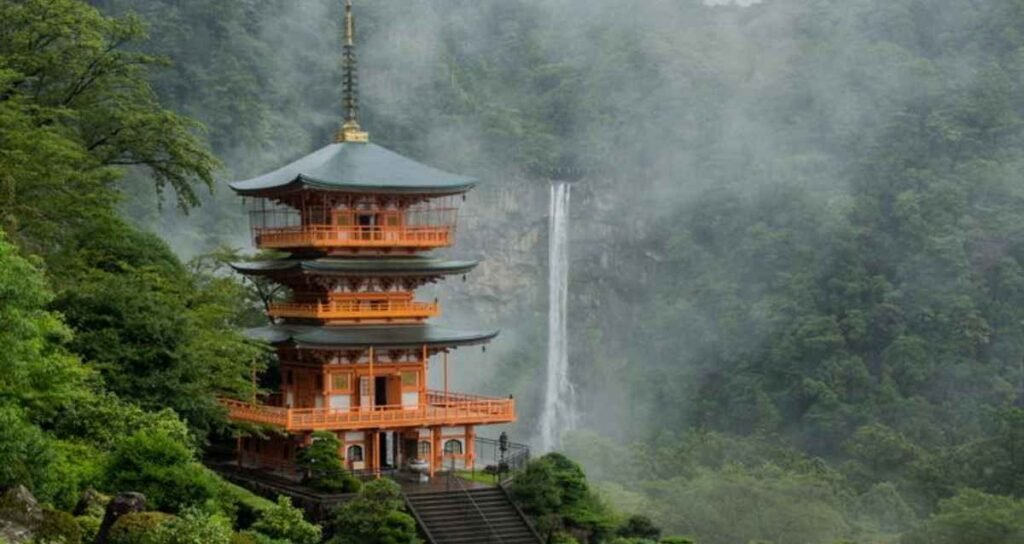
Rainy Season in Japan: Average Dates by Region
Below is an overview of the average start and end dates of the Rainy Season in Japan across different regions:
| Region | Average Start Date | Average End Date |
| Okinawa | May 9 | June 23 |
| Southern Kyushu | May 31 | July 14 |
| Northern Kyushu | June 5 | July 19 |
| Shikoku | June 5 | July 18 |
| Chugoku | June 7 | July 21 |
| Kansai (Kyoto, Osaka) | June 7 | July 21 |
| Southern Chubu | June 8 | July 21 |
| Northern Chubu | June 12 | July 24 |
| Kanto (Tokyo) | June 8 | July 21 |
| Southern Tohoku | June 12 | July 25 |
| Northern Tohoku | June 14 | July 28 |
This timeline shows that the Rainy Season in Japan gradually moves from south to north, covering most of the country over a period of nearly two months.
When is the rainy season in Tokyo?
For travelers heading to the capital, the rainy season in Tokyo is expected to begin around June 8, 2026, and wrap up by July 20, 2026. During this window, you can expect higher humidity and intermittent showers, though full-day washouts are less common than you might think.
How Bad is the Rainy Season in Japan? (The Reality)
If you browse Japan rainy season Reddit threads, you’ll find two types of people: those who were miserable and those who had the time of their lives.
The Reality: It isn’t usually a month-long monsoon. Instead, Tsuyu is characterized by:
- Persistent Drizzle: Light, misty rain that can last for hours.
- High Humidity: The “muggy” feeling is often more challenging for tourists than the actual water.
- Gray Skies: Overcast weather is the norm, which actually makes for great, soft lighting for photography.
- Lush Nature: This is when Japan’s gardens and moss forests look their most vibrant.
Is it “bad”? Not if you’re prepared. Most Japanese cities are built to handle rain. Huge underground shopping malls, covered “Shotengai” (shopping arcades), and the ubiquitous $5 clear umbrellas from 7-Eleven make navigating the wet weather surprisingly easy.
For travel ideas during colder months, check out the top things to do in Tokyo in January to make the most of your visit.
Japan Rain by Month: Beyond the Official Season
A common point of confusion is whether the rain stops the moment Tsuyu ends. Here is a look at Japan’s rain by month to help you distinguish between the “Rainy Season” and the “Typhoon Season.”
Is September rainy season in Japan?
Technically, no. The official Tsuyu ends in July. However, September is part of the Typhoon Season. While June brings steady, light rain, September can bring intense, short-lived storms. Statistically, September is actually one of the wettest months in cities like Tokyo and Osaka due to these tropical cyclones.
Is October rainy season in Japan?
October is widely considered one of the best months to visit Japan. By early October, the typhoon risks diminish significantly, the humidity breaks, and the skies clear up. It is not considered a rainy season; rather, it is the beginning of the stable, crisp autumn weather.
When does Japan rainy season end?
For most of the main island (Honshu), the season concludes in late July. Once the “rainy season withdrawal” is announced by the Japan Meteorological Agency, the country transitions immediately into a brutal, scorching summer heat.
If you want to compare seasons, our guide on the best time to visit Japan helps you choose ideal months for weather, crowds, and activities.
When Is the Rainy Season in Tokyo?
Tokyo experiences its rainy season from early June to mid-July.
Key features of Tokyo’s rainy season:
- Frequent light to moderate rain
- High humidity
- Cloudy skies with occasional sunny days
- Beautiful seasonal flowers like hydrangeas
Despite the rain, Tokyo remains vibrant, with indoor attractions, shopping malls, museums, and cafes offering plenty of activities.
Curious about holiday traditions? Learn how Japan celebrates Christmas for a unique cultural experience.
Japan Rainy Season Reddit – What Travelers Say
If you search Japan rainy season Reddit, you’ll find mixed opinions from travelers.
Common experiences shared on Reddit:
- “It didn’t rain as much as I expected.”
- “The crowds were smaller, which made sightseeing enjoyable.”
- “Humidity was the biggest challenge, not rain.”
- “Kyoto looked stunning in the rain.”
Overall, many travelers agree that Japan’s rainy season is manageable and even charming if you plan wisely.
Best Places to Visit During the Rainy Season
If your 2026 dates fall during the rainy season, don’t cancel your flights. Certain locations are actually better in the rain.
1. Kamakura (The Hydrangea Capital)
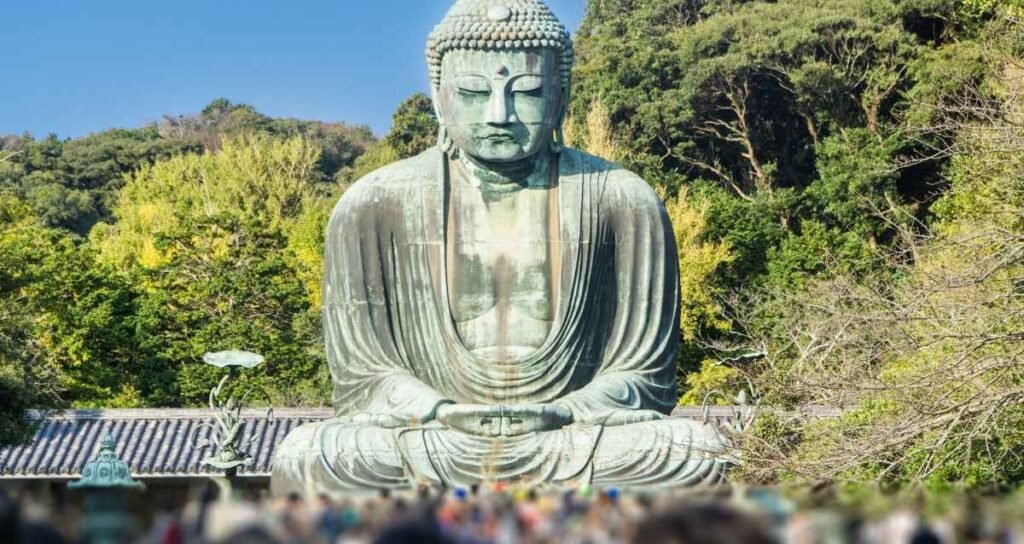
Just an hour from Tokyo, Kamakura becomes a floral wonderland in June. The temple grounds of Hase-dera and Meigetsu-in are famous for thousands of blooming blue and purple hydrangeas (ajisai), which look most stunning when glistening with raindrops.
2. Hakone
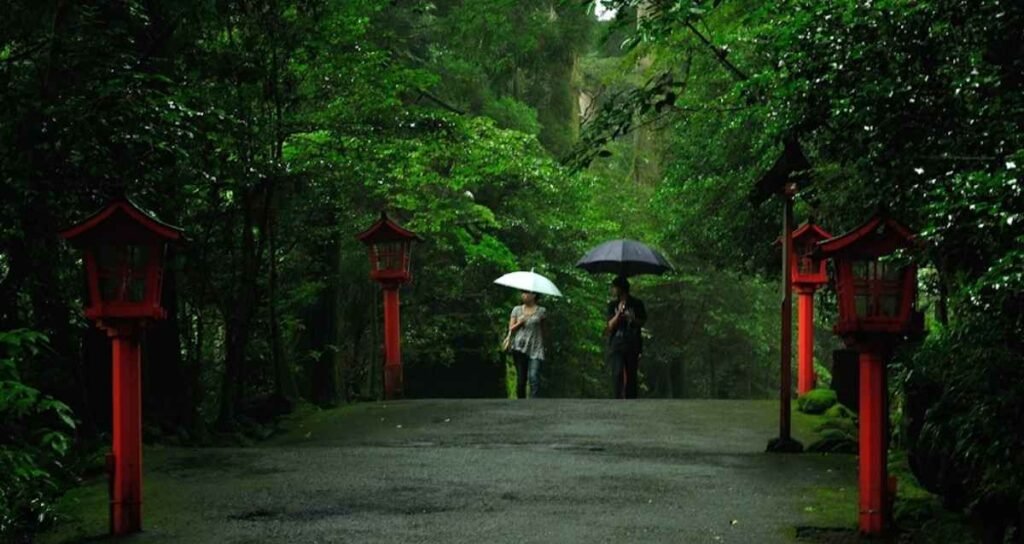
The misty mountains of Hakone take on a mystical quality during Tsuyu. Riding the Hakone Tozan Railway—often called the “Hydrangea Train”—allows you to see the flowers right outside your window as you climb into the clouds.
3. Mount Koya (Koyasan)
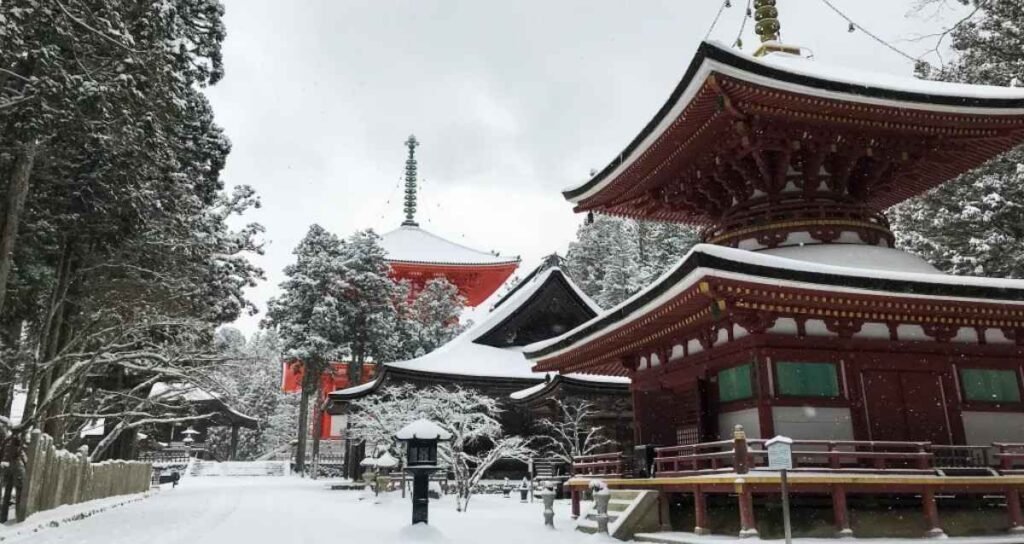
This sacred temple settlement in Wakayama is breathtaking in the rain. The towering cedar trees and moss-covered tombstones of Okunoin Cemetery feel even more ancient and spiritual when draped in fog.
4. Hokkaido (The Ultimate Escape)
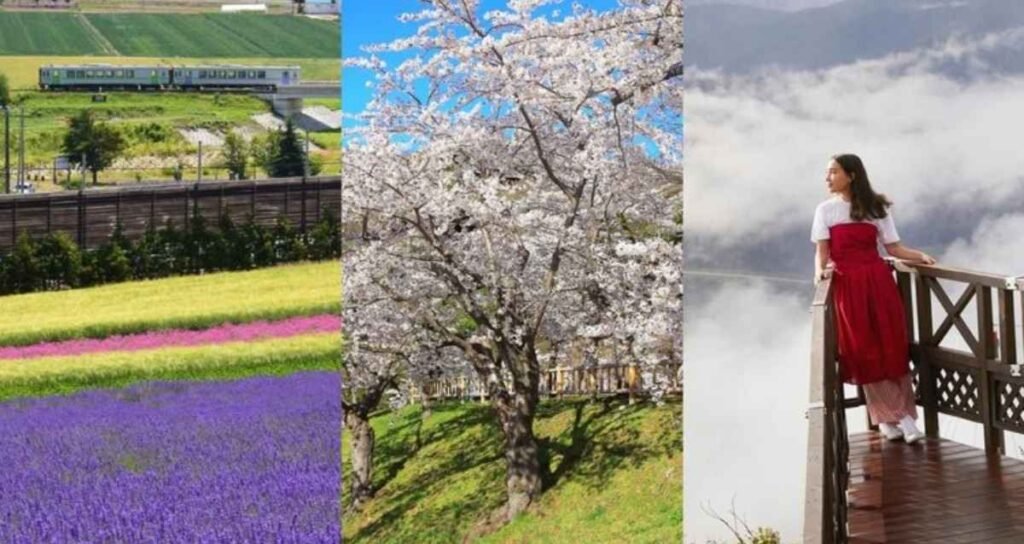
If you truly want to avoid the rain, head north. Hokkaido is the only part of Japan unaffected by the rainy season. While the rest of the country is humid and wet, Hokkaido enjoys mild temperatures and clear skies—perfect for seeing the early lavender blooms in Furano.
5. Kanazawa
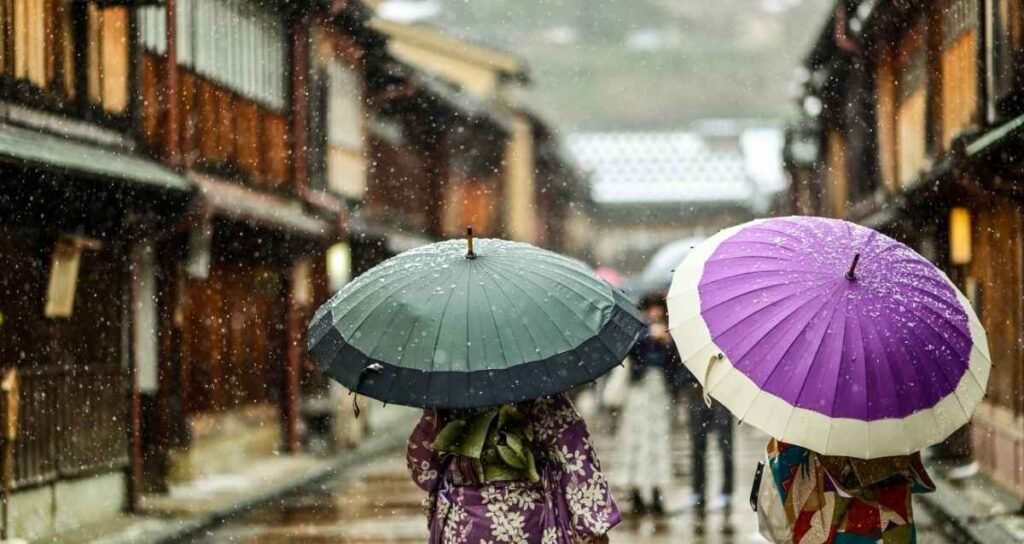
Known as the city of rain, Kanazawa is prepared for it. The famous Kenrokuen Garden features “Yozuri” (snow/rain ropes) and looks incredible in the wet. Plus, the city’s Higashi Chaya district (geisha district) feels incredibly atmospheric under a traditional umbrella.
For long-term stays, read our insights on living in Japan as a foreigner to understand daily life, culture, and local tips.
Advantages of Traveling During the Rainy Season in Japan
Despite common misconceptions, the Rainy Season in Japan has several advantages:
- Lower travel costs
- Fewer tourists
- Beautiful natural scenery
- Better hotel availability
- Unique seasonal experiences
For budget travelers and nature lovers, this season can be surprisingly rewarding.
Typhoon Season vs Rainy Season in Japan
Many travelers confuse the Rainy Season in Japan with the typhoon season, but both are different.
When is the Typhoon Season in Japan?
Japan’s typhoon season usually peaks from late August to September. Sometimes typhoons can start appearing from July and continue till October.
During the Rainy Season in Japan, you mostly experience light to moderate rain. But during the typhoon season, rainfall can be much heavier and intense. Typhoon rain usually lasts for one or two days, but it can cause strong winds and heavy downpours.
On average, Japan experiences 0 to 2 typhoons per month between July and October. Interestingly, in many northern cities like Tokyo and Sapporo, the typhoon season often brings more rain than the regular rainy season.
Typhoons affect Okinawa more strongly, while cities like Kyoto are relatively protected due to their location. Still, travelers should stay updated with weather alerts during this period.
Food lovers can dive into Japanese cuisine to explore traditional dishes, street food, and must-try specialties across regions.
Is It OK to Visit Japan During the Rainy Season?
Yes, visiting Japan during the Rainy Season in Japan can actually be a smart choice, especially if you want fewer crowds and lower travel costs.
Although the weather is not always ideal, this season has its own advantages. Popular tourist spots are less crowded, so you can explore famous attractions more peacefully. Since the rainy season is considered an off-season, flights and hotels are often cheaper compared to peak seasons like cherry blossom or autumn.
For families with school-going children, summer holidays are usually the best time to travel to Japan. In such cases, June can be a great option because it offers cooler weather compared to July and August, along with better travel deals.
Overall, if you plan wisely and stay flexible, the Rainy Season in Japan can offer a unique, budget-friendly, and beautiful travel experience.
Rainy Season in Japan – FAQs (2026 Travel Guide)
1. When not to visit Japan in 2026 during the Rainy Season in Japan?
The least ideal time to visit Japan in 2026 is during peak rainy season, usually from early June to mid-July in most regions. Heavy rainfall and high humidity can affect outdoor travel plans. However, if you plan indoor activities and flexible itineraries, travel is still possible. Typhoon season in September may also disrupt travel in some areas.
2. What is the rainiest month during the Rainy Season in Japan?
June is generally the rainiest month during the Rainy Season in Japan. Most regions, including Tokyo, Kyoto, and Osaka, receive frequent rainfall during this period. The intensity of rain can vary, with some days experiencing heavy showers and others light drizzle. Despite this, many travelers still enjoy Japan’s lush scenery in June.
3. What is the weather like in Japan in June 2026 during the Rainy Season in Japan?
In June 2026, Japan is expected to experience warm temperatures, high humidity, and frequent rain showers due to the Rainy Season in Japan. Average temperatures range between 20°C and 28°C in major cities. While rain is common, sunny intervals also occur. Travelers should prepare with waterproof clothing and flexible travel plans.
For travelers coming from India, our guide on plan a Japan trip from India covers visas, flights, and itinerary tips.
4 . Will Japan get more expensive in 2026 during the Rainy Season in Japan?
Japan is not expected to become significantly more expensive during the Rainy Season in Japan in 2026. In fact, travel costs can be lower compared to peak seasons like cherry blossom or autumn. Hotels and flights may offer discounts due to fewer tourists. However, prices may rise in popular cities and during festivals.
5. What is the 80% rule in Japan and its relevance to the Rainy Season in Japan?
The 80% rule in Japan often refers to efficiency or productivity principles, but it is not directly related to the Rainy Season in Japan. In travel terms, it can be understood as planning only 80% of your itinerary and keeping 20% flexible. This approach is useful during the rainy season because weather conditions can change suddenly.
6 .Will the yen go up in 2026 and how does it affect travel during the Rainy Season in Japan?
The value of the yen in 2026 will depend on global economic conditions, interest rates, and Japan’s financial policies. If the yen strengthens, travel costs may increase slightly. However, during the Rainy Season in Japan, travel expenses may still remain affordable due to lower demand. Tourists should monitor currency trends before planning their trip.
7. Should I invest in Japan in 2025 considering trends related to the Rainy Season in Japan?
Investment decisions should be based on economic factors rather than seasonal weather like the Rainy Season in Japan. Japan’s economy, technology sector, and global trade influence investment potential. If you are considering investing in Japan, it is advisable to analyze market trends and consult financial experts. Seasonal tourism trends may indirectly impact certain industries like travel and hospitality.
8. Is ¥300,000 a good salary in Japan during the Rainy Season in Japan?
A monthly salary of ¥300,000 is considered a decent income in Japan, especially in smaller cities. In major cities like Tokyo, living costs are higher, but it is still manageable with proper budgeting. The Rainy Season in Japan does not significantly affect salary levels, but it may influence lifestyle expenses such as transportation and utilities.
9.Is ¥50,000 enough for a week in Japan during the Rainy Season?
¥50,000 for a week in Japan is possible but may be tight depending on your travel style. During the Rainy Season in Japan, some travel costs like hotels may be lower, which can help save money. However, expenses for food, transport, and attractions should be planned carefully. Budget travelers can manage with economical accommodations and local transport.
10.Is July a good time to travel during the Rainy Season in Japan?
July can be a mixed travel month during the Rainy Season in Japan. Early July still experiences rain, while late July often marks the end of the rainy season in many regions. Travelers can enjoy lush landscapes and fewer crowds if they plan properly. However, humidity levels can be high, so preparation is essential.
11.Can tourists enjoy sightseeing during the Rainy Season in Japan?
Yes, tourists can still enjoy sightseeing during the Rainy Season in Japan with proper planning. Many attractions like museums, shopping malls, temples, and cafes are accessible regardless of weather. Rain also enhances the beauty of gardens and historical sites. With waterproof gear and flexible schedules, travel remains enjoyable.
12 .Is the rainy season in Japan good for budget travel?
The Rainy Season in Japan is often considered a good time for budget travel because of lower tourist demand. Flights and hotels may offer discounts compared to peak seasons. Additionally, popular attractions are less crowded, making travel more comfortable. With smart planning, travelers can experience Japan at a lower cost during this season.
If you’re exploring financial opportunities, discover important tips on investing in Japan for foreigners and residents.
Survival Tips: What to Expect and Pack
To make the most of the rainy season in Japan, follow these local “pro tips” gathered from frequent travelers and residents:
- The “Konbini” Umbrella: Don’t pack a heavy umbrella. Buy a clear, plastic one at any convenience store for about 700 yen. They are sturdy, and because they are transparent, you can still see the city lights above you.
- Shoe Strategy: Waterproof sneakers or Gore-Tex boots are a lifesaver. Avoid flip-flops, as city streets can get slippery.
- Utilize Luggage Forwarding: Use Takkyubin (luggage forwarding services) to send your bags between hotels. Dragging a suitcase through a puddle to find your hotel is the quickest way to ruin a mood.
- Museum Days: Save your indoor activities—like the TeamLab Borderless in Tokyo or the Kyoto International Manga Museum—for the days with the heaviest 2026 forecast.
Summary: Should You Visit in 2026?
The rainy season in Japan is far from a travel deal-breaker. While you might miss out on a clear view of Mt. Fuji (which is often shy behind clouds in June), you gain the ability to see Japan’s nature at its most lush and vibrant.
If you prefer cooler weather and don’t mind carrying an umbrella, June is a fantastic time to visit. However, if you want guaranteed dry days and autumn colors, wait until October.