


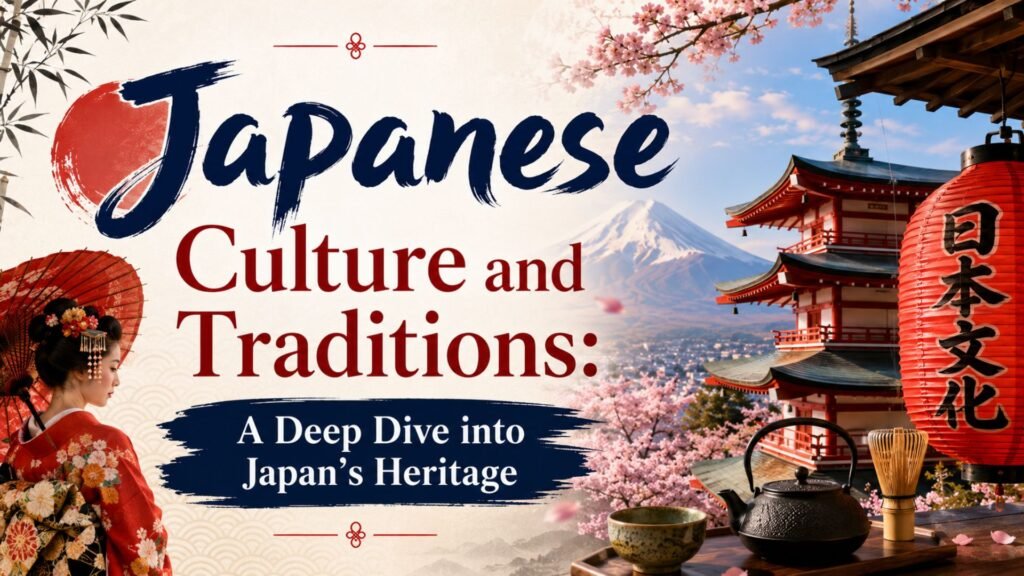
Japanese Culture and Traditions represent one of the most refined, disciplined, and spiritually rich cultural systems in the world. Japan has successfully preserved its ancient identity while embracing cutting edge modernization, creating a rare balance between past and present. From sacred rituals and seasonal festivals to contemporary anime culture, every aspect of life reflects meaning, respect, and harmony.
In today’s world, Japanese Culture and Traditions continue to inspire millions of learners, travelers, and researchers who want to understand how a nation can evolve without losing its roots. This detailed guide by MyJapanAdvisor explores the depth of Japanese heritage, covering rituals, customs, festivals, art forms, and modern expressions.
The Foundation of Japanese Culture and Traditions
At the core of Japanese Culture and Traditions lies a powerful blend of Shinto and Buddhist philosophy. These belief systems influence daily life, moral values, and social behavior in Japan.
Japanese society strongly emphasizes three key principles:
- Respect for others
- Harmony known as “Wa”
- Deep appreciation of seasons and nature
This cultural mindset shapes everything from greetings to festivals. Even modern urban life in Tokyo or Osaka reflects these traditional values.
Unlike many countries, Japanese Culture and Traditions are not limited to history books. They are actively practiced in everyday life, making Japan a living cultural experience.
Official Website of Japan -: https://www.japan.go.jp/japan/culture/index.html
Traditional Arts and Mindset in Japanese Culture and Traditions
One of the most beautiful aspects of Japanese Culture and Traditions is its deep connection to traditional arts and mindful living.
Tea Ceremony (Sadō)
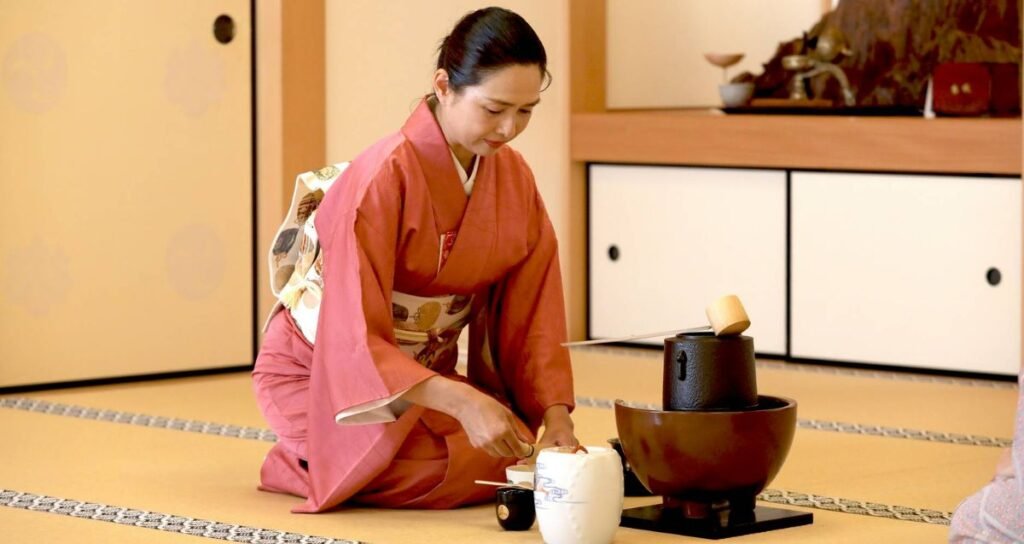
The Japanese tea ceremony is a spiritual practice rooted in calmness and precision. Known as Sadō, it follows the philosophy of Ichigo Ichie, meaning “one time, one meeting.” This idea teaches that every moment is unique and should be valued deeply.
In this ceremony, matcha tea is prepared with extreme care in a peaceful environment. Every movement reflects harmony, respect, purity, and tranquility. This practice is a perfect example of how Japanese Culture and Traditions transform simple actions into spiritual experiences.
Craftsmanship and Heritage Skills
Japan is globally respected for its craftsmanship. Traditional skills are preserved for generations and are considered cultural treasures.
- Washi papermaking, recognized by UNESCO, is still practiced using ancient techniques
- Kintsugi, the art of repairing broken pottery with gold, represents beauty in imperfection
These crafts reflect a powerful philosophy within Japanese Culture and Traditions, where aging and imperfection are embraced rather than hidden.

Kimono and Yukata
Traditional clothing plays a major role in Japanese Culture and Traditions. The kimono and yukata are not just garments but cultural symbols.
They are worn during festivals, weddings, and ceremonies. Wearing them requires proper technique and etiquette, which promotes mindfulness and respect for tradition.
Students planning to work in Japan should also understand the Japan student visa work hours limit 2026 before applying for jobs.
Seasonal Festivals in Japanese Culture and Traditions
Festivals are a vibrant expression of Japanese Culture and Traditions. They connect communities with history, spirituality, and seasonal cycles.
Coming of Age Day (Seijin no Hi)
This important national celebration takes place every year on the second Monday of January. Young adults who turn 20 dress in traditional attire and attend ceremonies organized by local governments.
It symbolizes the transition into adulthood and new responsibilities in society.
Summer Matsuri Festivals
Summer is one of the most festive seasons in Japan. Major events include:
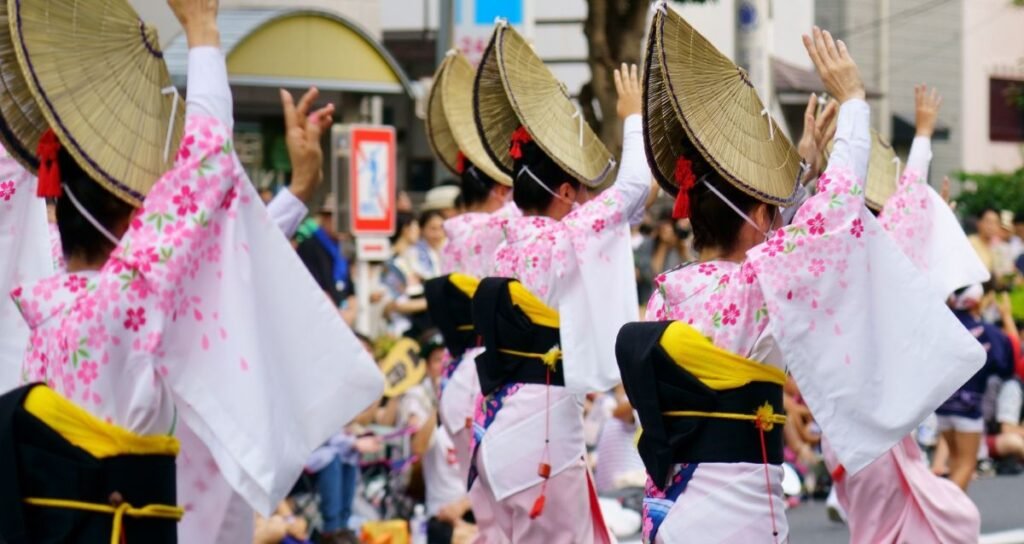
- Kyoto’s Gion Matsuri with massive decorative floats
- Bon Odori dances performed to honor ancestors
These festivals reflect the deep spiritual connection between living people and ancestral spirits in Japanese Culture and Traditions.
Culture Day (Bunka no Hi)
Celebrated on November 3, Culture Day promotes peace, creativity, and academic growth. Museums often offer free entry, and cultural exhibitions are held across the country.
This holiday highlights how Japanese Culture and Traditions continue to support education, arts, and national identity.
Professionals relocating to Japan can benefit from expert Japanese business consulting services for career and business setup guidance.
Daily Life and Social Practices in Japanese Culture and Traditions
Everyday behavior in Japan reflects deeply rooted traditions that define social harmony.
Greetings and Respect
Bowing, known as ojigi, is a fundamental part of Japanese Culture and Traditions. The depth and duration of the bow depend on the level of respect required in a situation.
People bow when greeting, apologizing, thanking, or showing respect. This simple gesture reflects the importance of humility and politeness.
Cleanliness and Discipline
Cleanliness is a core value in Japanese society. Public spaces are well maintained, and individuals take responsibility for their surroundings.
Students often clean their classrooms, which teaches discipline and respect for shared spaces.
Etiquette in Daily Life
Other important aspects include:
- Removing shoes before entering homes
- Speaking softly in public places
- Being punctual for meetings
- Respectful exchange of business cards
These habits are essential elements of Japanese Culture and Traditions and reflect a highly organized society.
Before moving, it is also useful to calculate your expected Japan travel and living budget for better financial planning.

Japanese Culture and Traditions Facts You Should Know
Understanding Japanese Culture and Traditions Facts helps reveal how unique the country truly is.
- Japan celebrates thousands of festivals every year
- Slurping noodles is considered a sign of enjoyment
- Seasonal foods play a major role in cuisine
- Trains are known for extreme punctuality
- Many traditions are passed down through generations
- Respect and politeness are central social values
These facts show how deeply culture influences daily life in Japan.
Japanese Culture and Traditions Drawing and Artistic Expression
Art is an essential part of Japanese Culture and Traditions, influencing both classical and modern creativity.
Traditional art forms include:
- Calligraphy (Shodo)
- Ink painting
- Origami
- Flower arrangement (Ikebana)
Japanese culture and traditions drawing often features nature inspired themes such as cherry blossoms, Mount Fuji, temples, and koi fish. These artworks reflect simplicity and harmony.
Modern Japanese pop culture, including anime and manga, has also become a global phenomenon while still carrying elements of traditional storytelling.
What is Golden Week in Japan in 2026
Modern Evolution of Japanese Culture and Traditions
One of the most fascinating aspects of Japanese Culture and Traditions is how they adapt to modern life without losing authenticity.
Japanese society successfully integrates technology with heritage. Cities like Tokyo are filled with futuristic architecture, yet traditional shrines still stand peacefully within urban environments.
A powerful example is cultural events that mix old and new. For instance, anime inspired festivals like Kanda Myojin Anime Bon Odori combine modern pop culture with traditional folk dances.
This cultural blending shows how Japanese Culture and Traditions continue to evolve while preserving their roots.
Japanese Culture and Traditions Books, PDF, and Learning Resources
Many learners search for:
- Japanese culture and tradition PDF
- Japanese culture and tradition essay
- Japanese culture and traditions Book
These resources help students and researchers understand Japan’s history, customs, and social values in depth.
For structured learning and cultural insights, MyJapanAdvisor provides detailed guides that simplify complex traditions and make them easy to understand for global readers.
Travelers visiting during holidays should also explore the top travel trends for Japan in 2026 for updated tourism insights.
Importance of Japanese Culture and Traditions in the Modern World
The global popularity of Japanese Culture and Traditions continues to grow because of its timeless values.
Key reasons include:
- Strong discipline and respect
- Deep connection with nature
- Rich artistic heritage
- Balance between tradition and innovation
- Strong community values
Even in a highly modern society, traditional values remain deeply respected, making Japan one of the most culturally balanced nations in the world.
Conclusion
Japanese Culture and Traditions represent a unique harmony between ancient wisdom and modern innovation. From tea ceremonies and kintsugi craftsmanship to festivals like Gion Matsuri and modern anime culture, every aspect reflects meaning and respect.
In a rapidly changing world, Japan continues to preserve its identity while adapting to global influences. This balance makes its culture one of the most admired in history.
For anyone seeking to understand authentic heritage, Japanese Culture and Traditions offer endless learning opportunities. Through detailed cultural insights and travel guidance, MyJapanAdvisor helps readers explore the depth, beauty, and philosophy behind Japan’s timeless traditions.
For an immersive look into how ancient crafts like traditional Japanese paper-making are being preserved and taught today, continue exploring authentic cultural experiences and guides that keep this heritage alive.
During Golden Week, many tourists enjoy shopping in the famous markets in Japan for local products and souvenirs.
Japanese Culture and Traditions – Frequently Asked Questions (FAQs)
1. What is happening to Japan in 2026?
In 2026, Japan will continue to focus on economic recovery, tourism growth, and cultural preservation. The country is welcoming more international travelers after a strong post-pandemic recovery. Traditional festivals and cultural events are also being promoted globally. At the same time, Japan is advancing in technology, robotics, and digital innovation while maintaining its cultural identity.
2. What is the Japanese trend in 2026?
The major trends in 2026 include a mix of tradition and modern lifestyle. Minimalist living, sustainable fashion, and cultural tourism are gaining popularity. Anime, gaming, and digital entertainment continue to grow worldwide. At the same time, interest in Japanese Culture and Traditions such as tea ceremonies, kimono culture, and seasonal festivals is increasing among global audiences.
3. Is 2026 a good year for Japan?
Yes, 2026 is expected to be a strong year for Japan in terms of tourism, culture, and economy. The country is attracting global visitors due to its safety, cleanliness, and unique cultural experiences. Events, festivals, and travel opportunities are increasing. Overall, Japan remains one of the most stable and attractive destinations in the world.
4. What makes Japanese Culture and Traditions unique?
Japanese Culture and Traditions are unique because they combine ancient values with modern innovation. Respect, discipline, and harmony are deeply rooted in daily life. From tea ceremonies to anime culture, everything reflects balance and meaning. This coexistence of old and new makes Japan culturally distinct from other countries.
5. Why are Japanese traditions still important today?
Japanese traditions remain important because they preserve national identity and cultural values. They teach respect, mindfulness, and social harmony. Festivals, rituals, and ceremonies connect people with their history. Even in modern society, these traditions guide behavior and strengthen community bonds.
6. What are the most famous Japanese cultural festivals?
Some of the most famous festivals include Gion Matsuri, Tanabata, and Obon Festival. These celebrations involve parades, traditional dances, and ancestral rituals. Each festival reflects seasonal changes and spiritual beliefs. They are a key part of Japanese Culture and Traditions.
7. How does Japanese culture influence daily life?
Japanese culture influences daily life through etiquette, discipline, and respect for others. People bow when greeting, maintain cleanliness, and follow strict punctuality. Social behavior is guided by harmony and responsibility. These values are deeply embedded in everyday interactions.
8. What are some examples of Japanese traditional arts?
Traditional Japanese arts include calligraphy (Shodo), origami, Ikebana (flower arrangement), and tea ceremonies. Crafts like kintsugi and washi papermaking are also highly respected. These arts reflect patience, creativity, and respect for nature. They are an essential part of Japanese Culture and Traditions.
9. How is modern Japan connected to its traditions?
Modern Japan blends technology with cultural heritage. Cities like Tokyo feature futuristic innovations alongside ancient temples and shrines. Traditional practices are still followed during festivals and ceremonies. This balance makes Japan a unique cultural destination in the world.
10. Why should people learn about Japanese Culture and Traditions?
Learning about Japanese Culture and Traditions helps people understand values like respect, discipline, and harmony. It also enhances travel experiences and cultural appreciation. Students, travelers, and language learners gain deeper insights into Japanese society. It is one of the most enriching cultural studies in the world.