


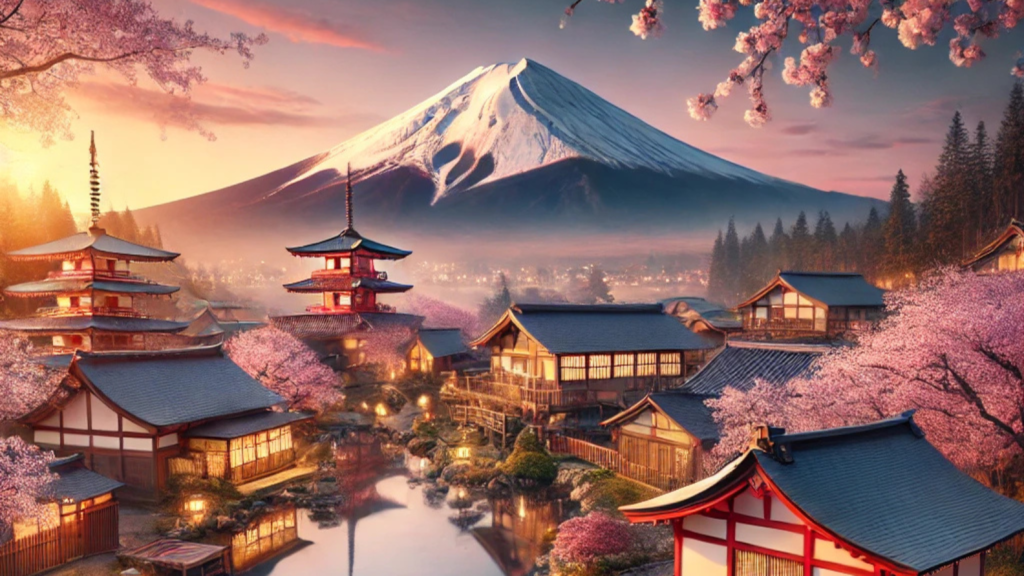
Japan is a country of diverse seasons, each offering something unique for visitors. Whether you’re planning to explore during the cherry blossom season or hoping to see Japan’s winter wonderland, knowing the best time to visit can enhance your experience. This guide will help you plan your trip by looking at the ideal times to visit based on weather, cultural events, and travel opportunities. Visit this official website.
Spring (March to May) in Japan: Cherry Blossoms & Festivals
Spring in Japan is often regarded as the most enchanting season, mainly due to the breathtaking cherry blossoms (sakura) that bloom across the country. Here’s why Spring in Japan is so special: Read more.
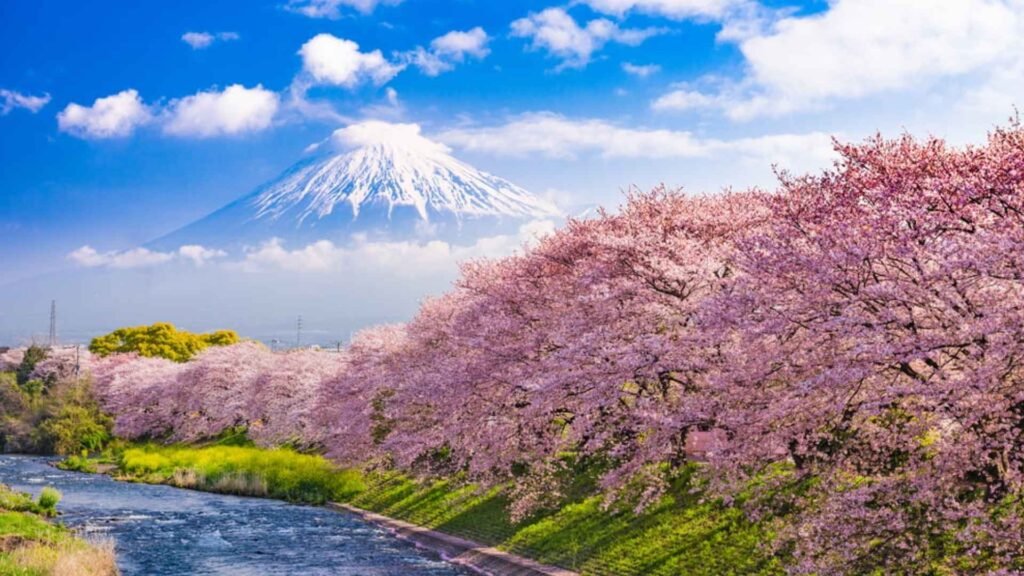
1. Cherry Blossom Season (Sakura)
- Timeframe: The cherry blossoms typically bloom between late March and early April, though the exact dates may vary slightly depending on the region and weather conditions.
- Why It’s Special: Cherry blossoms are a symbol of renewal, beauty, and fleeting life in Japanese culture. The sight of parks, temples, and streets blanketed in delicate pink and white blossoms creates a magical atmosphere.
- Best Viewing Spots: Some of the best places to see cherry blossoms include Tokyo’s Ueno Park, Kyoto’s Maruyama Park, and Hirosaki Castle Park. These sites draw visitors from all over the world to witness the beauty of sakura.
If you are planning your trip, don’t miss this complete Japan travel guide for first time visitors.
2. Hanami (Cherry Blossom Viewing)
- Cultural Significance: Hanami refers to the traditional Japanese custom of gathering under blooming cherry trees to enjoy the beauty of the blossoms. This is a family and social event, often accompanied by picnics, food, and drinks.
- Festivities: Many parks and temples host special events and festivals during this time. People engage in picnics with friends and family, and sometimes even stay out late to enjoy the blossoms under the night sky (Yozakura).
- Atmosphere: The whole country gets involved in celebrating the arrival of spring. Locals often wear traditional kimonos, and the air is filled with joy, music, and laughter. It’s a time for reflection and appreciation of nature’s beauty.
3. Mild Temperatures
- Comfortable Climate: Spring in Japan offers perfect sightseeing weather. The temperatures range from 10°C to 20°C, which is neither too hot nor too cold. This makes it ideal for strolling through gardens, visiting shrines, and exploring cities.
- Perfect for Outdoor Activities: Whether you want to hike in the Japanese Alps, stroll along rivers lined with cherry blossoms, or explore historical temples, the mild temperatures make these activities highly enjoyable.
4. Cultural Events & Festivals
- Flower Festivals: In addition to Hanami, various regions host flower festivals celebrating not only cherry blossoms but also other seasonal blooms like plum trees (ume) and tulips. For instance, the Tōkyō Ueno Cherry Blossom Festival and the Kawazu Cherry Blossom Festival are popular annual events.
- Traditional Ceremonies: Spring also sees a number of traditional ceremonies such as tea ceremonies, sumo wrestling tournaments, and Buddhist rituals. These events showcase Japan’s rich cultural heritage and allow visitors to immerse themselves in the country’s timeless customs.
- Other Festivals:
- Tōrō Nagashi (Lantern Floating Ceremony): Held during the full moon of March, lanterns are released on rivers to commemorate the spirits of ancestors.
- Peach Blossom Festival: Celebrated in early March, this festival is popular in the Chugoku region, especially in Okayama, where peach blossoms are in full bloom.
5. Spring Fashion & Cuisine
- Spring Fashion: Many Japanese people embrace light jackets, pastel colors, and stylish, comfortable outfits during the spring season. It’s an opportunity for both locals and visitors to experience Japan’s fashionable side.
- Seasonal Cuisine: Spring in Japan is synonymous with seasonal foods like sakura-flavored treats (sakura mochi, sakura ice cream), bamboo shoots, fresh seafood, and various seasonal vegetables. Many restaurants create special menus inspired by the changing season.
To stay ahead, explore the latest insights in top travel trends for Japan in 2026.
6. Ideal for Sightseeing
- Temples & Gardens: Visit famous historical temples like Kinkaku-ji (Golden Pavilion) in Kyoto, or stroll through iconic Japanese gardens such as the Kenroku-en Garden in Kanazawa. The natural beauty in spring brings these places to life.
- Onsen (Hot Springs): Many visitors also enjoy soaking in the hot springs while surrounded by scenic views of cherry blossoms. The combination of relaxation and nature is unique to Japan’s spring experience.
Why Visit in Spring?
- Cultural Immersion: Spring gives you the chance to experience Japan’s most celebrated cultural traditions, from Hanami picnics to traditional festivals.
- Nature’s Beauty: You’ll get to witness the iconic sakura bloom in full swing, a sight that’s unmatched anywhere in the world.
- Perfect Weather: Ideal conditions for sightseeing, outdoor adventures, and relaxing strolls through historical sites and gardens.
- Festivals & Events: A time for celebration, with festivals, music, and various cultural ceremonies happening all around the country.
Summer (June to August) in Japan: Vibrant Festivals & Hot Weather
While summer in Japan is characterized by its hot and humid weather, it also offers an abundance of lively festivals, vibrant landscapes, and plenty of opportunities for outdoor activities. Here’s why summer is a great time to visit Japan:
1. Hot & Humid Weather
- Temperature & Humidity: Summer in Japan can get quite hot, with temperatures often reaching 30°C to 35°C (86°F to 95°F) in July and August. The weather can be especially humid, making it feel warmer than it actually is. The southern regions, including Okinawa, are particularly sweltering, while northern areas like Hokkaido tend to be more bearable.
- Tips for Comfort: During this season, lightweight clothing, staying hydrated, and using sunscreen are essential. Many people in Japan wear hats and use fans to keep cool. Many establishments also provide air conditioning, which can be a relief when exploring indoors.
Experience Japanese culture by learning about White Day in Japan.
2. Festivals (Matsuri)
Summer is synonymous with festivals in Japan, and it’s one of the best times to experience the country’s rich cultural traditions and festivities. Some famous festivals include:
- Gion Matsuri (Kyoto)
- When: July
- What It Is: One of the most famous festivals in Japan, Gion Matsuri is a month-long celebration in Kyoto. It features stunning processions with large, elaborately decorated floats, traditional music, and cultural performances. The festival honors Yasaka Shrine, and it’s a fantastic opportunity to see the vibrancy of traditional Japanese culture.
- Why It’s Special: It’s a spectacular combination of processions, street festivals, and religious rituals. The floats, or yamaboko, are a sight to behold as they wind through the streets of Kyoto.
- Tanabata (Star Festival) (Sendai)
- When: July 7 (or a few days before or after)
- What It Is: Tanabata celebrates the legendary story of two stars, Orihime and Hikoboshi, who are separated by the Milky Way and allowed to meet once a year. People write their wishes on colorful strips of paper and hang them on bamboo branches.
- Why It’s Special: Sendai, in particular, hosts one of the biggest Tanabata festivals, with streets decorated with vibrant paper streamers and thousands of people participating in the festivities. The colorful displays create a magical, celebratory atmosphere.
- Obon Festival
- When: Mid-August (dates vary by region)
- What It Is: Obon is a Buddhist tradition honoring the spirits of ancestors. During Obon, people return to their hometowns, visit family graves, and participate in traditional dances known as Bon Odori.
- Why It’s Special: While Obon is a more solemn celebration, it’s a major cultural event where you can witness traditional dances, processions, and rituals, especially in rural areas.
- Awa Odori (Tokushima)
- When: August
- What It Is: A lively, traditional dance festival that takes place in Tokushima, featuring people dancing to the upbeat Awa-odori music. The festival is characterized by its joyful atmosphere, with locals and tourists alike joining in the fun.
- Why It’s Special: The energetic atmosphere of the Awa Odori dance, with its unique rhythms and colorful costumes, is contagious and gives you a chance to dance along with the locals.
Food lovers should definitely check out FOODEX Japan 2026 for global culinary trends.
3. Ideal for Outdoor Activities
Summer in Japan is perfect for enjoying outdoor activities, whether you want to explore the coastlines, hike through mountains, or visit beautiful national parks.
- Beach Visits
- Japan is home to beautiful beaches, particularly in the southern regions like Okinawa and Shikoku. Beaches like Zushi Beach near Tokyo and Yonaha Maehama Beach in Okinawa offer sandy shores, clear waters, and a great escape from the city heat.
- Water Sports: You can enjoy a variety of water activities such as swimming, surfing, snorkeling, and even scuba diving. Okinawa’s coral reefs are world-renowned for their vibrant marine life.
- Hiking in the Mountains
- Mount Fuji: While it can be hot in the lowlands, the mountainous regions are perfect for hiking. Japan’s iconic Mount Fuji opens to climbers from early July to early September. The cooler mountain air provides a welcome break from the heat, and climbing the mountain is a bucket-list experience for many.
- Japanese Alps: The Japanese Alps offer numerous hiking trails with breathtaking views of the rugged terrain, including the famous Kamikochi valley in the northern Alps, which becomes lush and vibrant in the summer.
- National Parks: Japan boasts numerous national parks that are perfect for hiking, wildlife watching, and enjoying nature. Nikko National Park and Hakone National Park are great destinations for those looking to experience the natural beauty of Japan’s outdoors during the summer months.
4. Festive Atmosphere Across the Country
- Summer Fireworks (Hanabi Taikai)
- Summer evenings in Japan are often marked by fireworks festivals (hanabi taikai), where huge firework displays light up the night sky. The Sumida River Fireworks Festival in Tokyo and the Nagaoka Fireworks Festival in Niigata are some of the largest and most spectacular events.
- People gather along riversides or at special viewing locations, wearing yukata (summer kimono), and enjoy the festive atmosphere. The sight of the night sky lit up by colorful fireworks is a highlight of summer in Japan.
- Summer Food
- Summer is also the season for delicious, refreshing foods like kakigori (shaved ice with flavored syrup), somemushi (cold noodles), and unagi (grilled eel), which are said to help boost stamina during the hot months.
- Food stalls at festivals also offer an array of street foods like takoyaki (octopus balls), okonomiyaki (savory pancakes), and yaki-imomochi (grilled sweet potato rice cakes), adding to the festival experience.
5. Summer Fashion
- Yukata: Many Japanese people wear light cotton yukata (summer kimono) during the summer, especially at festivals and fireworks displays. These colorful garments are a beautiful and traditional way to experience the season’s festivities.
- Casual & Comfortable: In general, the summer fashion in Japan is comfortable and lightweight, with lots of airy cotton clothing, flip-flops, and sun hats to keep cool.
Why Visit in Summer?
- Experience Unique Festivals: Summer in Japan is rich in cultural festivals, including traditional dances, parades, fireworks, and unique local customs.
- Outdoor Adventure: Whether you’re visiting the beaches, hiking mountains, or exploring national parks, summer provides endless opportunities for outdoor exploration and adventure.
- Vibrant Atmosphere: The country comes alive with celebrations, fireworks, and traditional customs, creating a festive and energetic vibe everywhere you go.
You can also explore international food exhibitions like FOODEX Japan 2026 to understand Japan’s food industry.
Autumn (September to November) in Japan: Fall Foliage & Mild Weather
Autumn is one of the most popular seasons to visit Japan, offering a perfect balance of comfortable weather, stunning landscapes, and a tranquil travel experience. Here’s why autumn is an amazing time to explore Japan:
1. Perfect Weather for Travel
- Temperature: Autumn in Japan is generally mild and comfortable, with temperatures ranging from 15°C to 25°C (59°F to 77°F). The weather is cooler than summer, making it ideal for sightseeing, hiking, and exploring the cities and countryside. You’ll often experience pleasant sunny days and cool evenings, which is great for outdoor activities.
- Humidity: Unlike the sticky humidity of summer, autumn brings refreshing, dry air, making it a comfortable time for walking around and enjoying Japan’s natural beauty.
- Clothing: Layers are a good option as daytime temperatures are mild, but evenings can cool down. A light jacket or sweater is often sufficient, especially in the northern and mountainous regions.
2. Autumn Foliage (Koyo)
- Vibrant Fall Colors: One of the main attractions of autumn in Japan is the stunning display of fall foliage or koyo. The leaves of maple, ginkgo, and other trees turn brilliant shades of red, orange, and yellow, creating a magical atmosphere in parks, temples, and forests. The peak foliage season typically occurs from late October to early December, with different regions reaching their peak at different times.
- Best Places to See Autumn Foliage:
- Kyoto: Famous for its temples and gardens, Kyoto is an incredible place to witness the beauty of autumn leaves. The vibrant colors around Kiyomizu-dera, Tofuku-ji, and the Arashiyama Bamboo Grove are especially breathtaking. The city is often referred to as one of the top spots for koyo viewing.
- Nikko: The region around Nikko is famous for its autumn landscapes, with areas like Lake Chuzenji and the Toshogu Shrine surrounded by vibrant colors. The scenic drive along the Irohazaka Winding Road is also a top choice.
- Japanese Alps: The Japanese Alps, especially areas like Kamikochi and the Northern Alps, showcase awe-inspiring autumn scenery. The mountains, lakes, and valleys are painted with brilliant fall colors, creating a striking contrast against the rugged landscapes.
- Nara: Nara’s famous parks, such as Nara Park and the surrounding temples, provide an amazing backdrop of golden ginkgo and fiery red maple leaves during autumn.
- Koyo Viewing: Much like hanami (cherry blossom viewing) in spring, koyo is celebrated in Japan. People often visit parks and mountains for momijigari (autumn leaf hunting) to admire the changing colors. You’ll see visitors taking photos, relaxing under trees, and even enjoying traditional outdoor picnics in the presence of the colorful foliage.
3. Ideal for Outdoor Activities
Autumn is one of the best seasons for enjoying Japan’s outdoor activities, as the temperatures are neither too hot nor too cold. This makes it ideal for hiking, cycling, and sightseeing.
- Hiking: Japan is famous for its mountain ranges, and autumn is one of the best times to explore them. With comfortable weather and the vibrant autumn foliage, hiking becomes a stunning and memorable experience.
- Mt. Fuji: The surrounding areas of Mt. Fuji offer fantastic autumn hikes where you can enjoy panoramic views of the mountain and nearby forests. The cooler temperatures are ideal for walking through the forest trails.
- Kamikochi in the Japanese Alps: This valley, located in the Northern Alps, offers scenic hiking trails surrounded by spectacular autumn colors.
- Cycling: Many areas across Japan have scenic cycling routes, such as Lake Biwa in Shiga Prefecture, where you can ride along beautiful lakesides and enjoy the autumn colors. The combination of cool temperatures and picturesque surroundings makes cycling in autumn particularly pleasant.
- Hot Springs (Onsen): After a day of outdoor activities, you can relax in one of Japan’s famous onsen (hot springs). The mountain regions, such as Hakone and Kusatsu, offer the perfect combination of scenic beauty and hot spring experiences. Enjoy soaking in a natural bath while surrounded by autumn foliage.
4. A Quieter, Less Crowded Period
- Off-Peak Travel: Autumn, particularly in the early weeks of the season, tends to be less crowded compared to the peak cherry blossom season in spring or the summer holiday period. This allows for a more peaceful and relaxed experience at popular tourist spots, temples, and parks.
- Less Rain: While there is the occasional typhoon at the beginning of autumn, the season is typically dry, and rain tends to be less frequent than in the summer months. The pleasant weather makes it easier to enjoy outdoor activities without being interrupted by rain showers.
5. Cultural Events & Festivals
Autumn in Japan is also a time for traditional festivals and events:
- Koyo Festivals: Many regions in Japan host festivals that celebrate the beauty of autumn leaves, where you can enjoy seasonal foods, music, and entertainment.
- Koyo Matsuri: Held in various cities like Kyoto and Nikko, these festivals showcase the vibrant fall colors, often with evening illuminations that light up the foliage, creating a magical atmosphere.
- Shichi-Go-San (Seven-Five-Three Festival): Held on November 15, this traditional festival celebrates the growth of children at the ages of three, five, and seven. Families visit shrines dressed in traditional attire, and it’s a wonderful cultural experience to witness.
- Harvest Festivals: Autumn marks the harvest season in Japan, and many regions hold annual harvest festivals where you can enjoy local food, music, and traditional performances.
6. Autumn Foods & Seasonal Delicacies
Autumn is a fantastic time to enjoy Japan’s seasonal foods. Autumn cuisine is known for its use of seasonal ingredients like matsutake mushrooms, sweet potatoes, kabocha squash, and persimmons. Some must-try dishes include:
- Kuri (Chestnuts): Chestnuts are a traditional autumn food in Japan and are used in a variety of sweets and dishes.
- Sake: Autumn is a great time to try new sake, as many breweries release fresh batches of the traditional drink during this season.
- Ayu (Sweetfish): Grilled ayu fish, caught during the autumn months, is a delicacy often served in traditional kaiseki meals.
Why Visit in Autumn?
- Breathtaking Fall Foliage: Experience Japan’s iconic autumn leaves in picturesque parks, mountains, and temples.
- Ideal Weather: Mild temperatures make it perfect for outdoor activities like hiking, sightseeing, and cycling.
- Quieter Travel: Autumn is a less crowded season, allowing you to enjoy tourist spots with fewer tourists and more relaxed sightseeing.
- Cultural Events: Enjoy seasonal festivals, harvest celebrations, and cultural traditions that highlight the beauty of autumn in Japan.
Winter (December to February) in Japan: Snow, Hot Springs & Winter Sports
Winter in Japan is truly magical, offering a variety of experiences from snow-covered landscapes and exciting winter sports to relaxing hot springs and fascinating winter festivals. It’s a time when the country transforms into a winter wonderland, making it perfect for both adventure seekers and those looking to unwind. Here’s why winter is an incredible time to visit Japan:
1. World-Class Skiing and Snowboarding
- Ski Resorts: Japan’s winter is renowned for its powdery snow, making it a haven for skiers and snowboarders. The country boasts some of the best ski resorts in the world, with world-famous powder snow that draws enthusiasts from around the globe. The Japanese Alps and Hokkaido are particularly popular regions for winter sports.
- Hokkaido: Hokkaido is considered Japan’s skiing capital, especially the Niseko area, known for its light, powdery snow, perfect for both skiing and snowboarding. Other top ski resorts include Furano and Rusutsu.
- Nagano: Located in the Japanese Alps, Nagano is another famous winter sports destination, hosting the 1998 Winter Olympics. Ski resorts like Hakuba and Nozawa Onsen are popular for their large ski areas and vibrant après-ski culture.
- Niigata & Toyama: For a quieter, less crowded skiing experience, Niigata and Toyama prefectures offer scenic, remote ski resorts, including Naeba and Tateyama.
- Snowboarding: In addition to skiing, Japan offers incredible snowboarding conditions. The deep powder snow in areas like Niseko makes it a dream for snowboarders, and there are resorts suitable for beginners and advanced enthusiasts alike.
- Winter Sports Culture: Even if you’re not into skiing or snowboarding, the winter sports culture in Japan is a spectacle to witness. You can enjoy après-ski activities such as hot cocoa, unique winter-themed events, and even snow sculptures.
2. Snow-Covered Temples and Scenic Landscapes
- Winter Beauty: Japan’s temples, shrines, and gardens take on a serene, magical atmosphere under a blanket of snow. The crisp white snow contrasts beautifully with the traditional Japanese architecture, creating a picturesque setting that feels like something out of a painting.
- Kyoto: While Kyoto is famous for its cherry blossoms in spring, the winter snow transforms its temples and Zen gardens into peaceful, tranquil oases. Kinkaku-ji (Golden Pavilion) and Kiyomizu-dera look particularly stunning when surrounded by snow.
- Nara: Nara’s Todaiji Temple and Kasuga Taisha Shrine also look incredible under the snow, with the park’s famous deer adding to the winter magic.
- Tokyo: Even Tokyo experiences occasional snow, and while the city is rarely covered in deep snow, snow-covered parks like Ueno Park or Shinjuku Gyoen are incredibly beautiful during the winter months.
- Winter Landscapes: If you venture to rural areas like Hokkaido, the snow-covered farmlands, forests, and lakes look like scenes from a winter postcard. The Japanese Alps are particularly striking, and the natural beauty of the snow-capped peaks and frozen rivers is a must-see.
- Snow Monkeys: The famous snow monkeys at Jigokudani Monkey Park in Nagano are a unique winter sight. These wild monkeys are known for soaking in hot springs during the colder months, making for a fascinating and adorable winter experience.
3. Relax in an Onsen (Hot Spring)
- Hot Springs (Onsen): Japan is home to thousands of onsen (hot springs), and winter is the perfect time to indulge in a relaxing soak. Onsen offer soothing warmth against the chilly winter air and provide both relaxation and health benefits. The contrast of cold air and hot water is a uniquely Japanese experience.
- Hakone: One of Japan’s most famous onsen regions, Hakone offers stunning views of Mt. Fuji while soaking in hot springs. Hakone is also famous for its rotemburo (outdoor baths), where you can enjoy the natural surroundings while relaxing in the warm waters.
- Beppu: Located on Kyushu, Beppu is one of Japan’s top onsen destinations, offering a variety of hot spring experiences, including mud baths and steam baths. In the winter, the steam rising from the onsen adds to the mystical atmosphere.
- Ibusuki: Located on the island of Kyushu, Ibusuki is famous for its unique sand baths, where you are buried in naturally heated sand, providing a unique relaxation experience.
- Noboribetsu: A hot spring resort town in Hokkaido, Noboribetsu offers a range of hot spring experiences, including sulfurous waters that are thought to have healing properties. In winter, the surrounding snowy landscape adds to the charm of the experience.
4. Winter Festivals
- Sapporo Snow Festival: The Sapporo Snow Festival in Hokkaido is one of Japan’s largest and most famous winter festivals, held every February. The festival features impressive ice and snow sculptures, art displays, and live entertainment. Visitors can marvel at large, intricately carved ice statues, some towering over 15 feet high, as well as enjoy winter food and drink stalls.
- Otaru Snow Light Path: In Otaru, also in Hokkaido, the Otaru Snow Light Path Festival offers a magical winter experience with the streets lined by small snow lanterns and ice sculptures, creating a fairy-tale atmosphere.
- Asahikawa Winter Festival: This winter festival in Asahikawa (Hokkaido) features beautiful snow sculptures, ice sculptures, and other winter-themed displays, along with performances and winter activities.
- Kamakura Festival: Held in Yokote, Akita Prefecture, the Kamakura Festival involves building small igloos or “kamakura” made of snow, which are lit up from the inside with candles, creating a romantic and peaceful atmosphere.
- New Year Festivals: The New Year (Shogatsu) period, from late December to early January, is one of Japan’s most important holidays, celebrated with traditional events and temple visits. It’s an excellent time to experience Japan’s culture, with shrines offering special prayers and rituals for the new year.
5. Winter Foods & Seasonal Delicacies
Winter in Japan is the season for hearty, comforting dishes that will keep you warm and satisfied. Some must-try foods during this season include:
- Nabe: A popular hot pot dish made with various ingredients like meat, vegetables, tofu, and noodles, all simmered together in a savory broth. It’s perfect for warming up on cold winter nights.
- Oden: A type of Japanese stew consisting of fish cakes, boiled eggs, daikon radish, and other ingredients, all simmered in a light, soy-based broth.
- Yaki Imo (Roasted Sweet Potatoes): In the winter, yaki imo (roasted sweet potatoes) are sold by street vendors and are a popular winter snack. These sweet potatoes are roasted until tender and have a deliciously sweet and smoky flavor.
- Suki Yaki: A flavorful hot pot dish made with beef, vegetables, tofu, and noodles, all cooked in a sweet soy sauce-based broth. It’s a traditional and comforting meal often enjoyed in winter.
- Kiritanpo: A specialty of Akita Prefecture, this dish features skewered rice sticks grilled and served in a savory chicken broth.
6. Why Visit in Winter?
- Winter Sports: Experience world-class skiing and snowboarding in some of Japan’s most famous resorts, such as Niseko and Hakuba, with some of the best powder snow in the world.
- Winter Beauty: Explore Japan’s snow-covered temples, gardens, and landscapes, offering a serene, picturesque atmosphere.
- Onsen Experience: Warm up in one of Japan’s famous hot springs, enjoying the contrast between the cold winter air and the soothing heat of the waters.
- Winter Festivals: Attend iconic winter festivals like the Sapporo Snow Festival and Otaru Snow Light Path, offering stunning displays and a festive atmosphere.
- Seasonal Foods: Enjoy heartwarming winter delicacies like nabe, oden, and yaki imo, perfect for the cold season.
Frequently Asked Questions (FAQs) – Best Time to Visit Japan
1. What are the best months to visit Japan?
The best months to visit Japan are typically March to May and September to November. During spring, you can enjoy cherry blossoms, while autumn offers stunning red and golden foliage. These seasons also have pleasant weather, making sightseeing comfortable. Tourist crowds are higher, so early bookings are recommended.
2. What is the 5-minute rule in Japan?
The “5-minute rule” in Japan often refers to punctuality and discipline. People are expected to arrive at least 5 minutes early for meetings, trains, or appointments. Being late is considered disrespectful in Japanese culture. This rule reflects Japan’s strong emphasis on time management and respect.
3. What is the cheapest month to go to Japan?
January and February are usually the cheapest months to visit Japan. These are off-peak winter months, so flight and hotel prices are lower. While it can be cold, you can enjoy fewer crowds and winter festivals. Budget travelers often prefer this period for better deals.
4. What month is Japan most expensive?
April is generally the most expensive month due to cherry blossom season. Tourists from around the world visit during this time, increasing demand for hotels and flights. Prices also rise during Golden Week in late April and early May. Planning in advance is essential if traveling during this peak period.
5. When is the best time to visit Japan for good weather?
Spring (March–May) and autumn (September–November) offer the most comfortable weather. Temperatures are mild, and humidity is low compared to summer. These seasons are ideal for sightseeing, outdoor activities, and photography. Weather conditions are generally stable and pleasant.
6. Do I need a visa to visit Japan?
Visa requirements depend on your nationality and travel purpose. Many tourists can stay up to 90 days without a visa. However, work, study, or long-term stays require proper documentation. It’s always best to check official guidelines before planning your trip.
7. Is Japan expensive for tourists?
Japan can be moderately expensive, especially in cities like Tokyo. However, budget options such as capsule hotels, local eateries, and rail passes can help reduce costs. Planning and booking in advance can save money. Overall, it can suit both luxury and budget travelers.
8. Can I travel to Japan without knowing Japanese?
Yes, many tourists travel to Japan without knowing the language. Major cities have English signage and helpful locals. Translation apps and basic phrases can make your trip easier. Tourist areas are well-equipped for international visitors.
9. What are some cultural etiquette tips in Japan?
Respect and politeness are key in Japanese culture. Bowing is a common greeting, and shoes should be removed indoors. Public transport is usually quiet, and cleanliness is highly valued. Following these customs enhances your travel experience.
10. Is Japan good to visit year-round?
Yes, Japan is a year-round destination with unique seasonal attractions. Spring offers cherry blossoms, summer has festivals, autumn brings colorful leaves, and winter is great for snow and skiing. Each season has its own charm. Your travel preference will determine the best time for you.